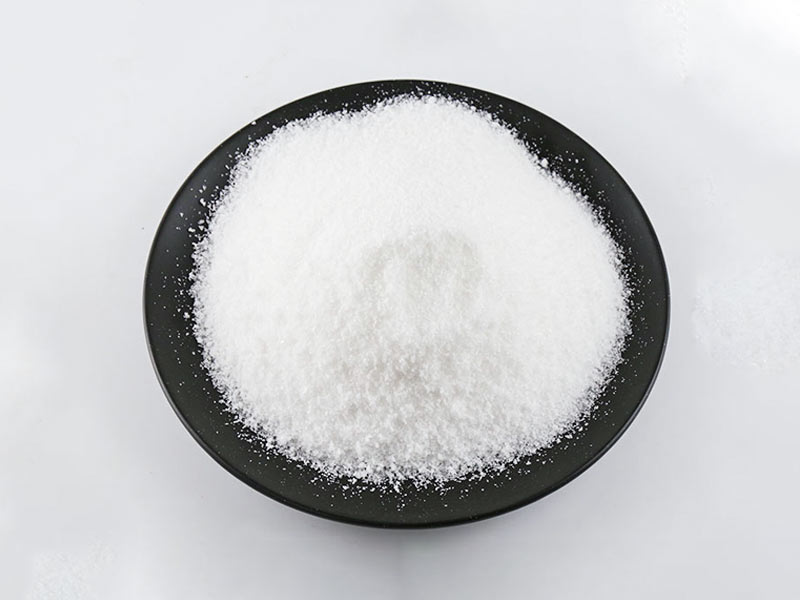
Polyaluminium chloride is a commonly used water purification chemical. However, due to variations in manufacturing processes, applications, and concentrations, its physical appearance may differ. Nevertheless, the majority of currently available products are predominantly solid powders. During water treatment, these solid products require dissolution. What is the appropriate concentration ratio during this dissolution process?
Before determining the solution concentration for polyaluminium chloride, it is essential to understand the dissolution process. Two types of reactions occur during dissolution: physical and chemical. The physical reaction involves the product dissolving into water, while the chemical reaction occurs during dissolution itself. This chemical process requires a specific aluminium oxide content. If the aluminium content is too low, the effective components in the water decrease, leading to poorer purification results. Consequently, the dissolution concentration is typically maintained between 5% and 10%. The concentration ratio is also relatively high. The precise concentration value requires adjustment based on actual conditions, taking into account factors such as the quality of the water being treated and the equipment involved. Therefore, it is advisable to conduct small-scale trials prior to use to determine a suitable preparation concentration. An appropriate concentration effectively enhances performance, whereas concentrations that are either too high or too low can significantly impact subsequent efficacy.
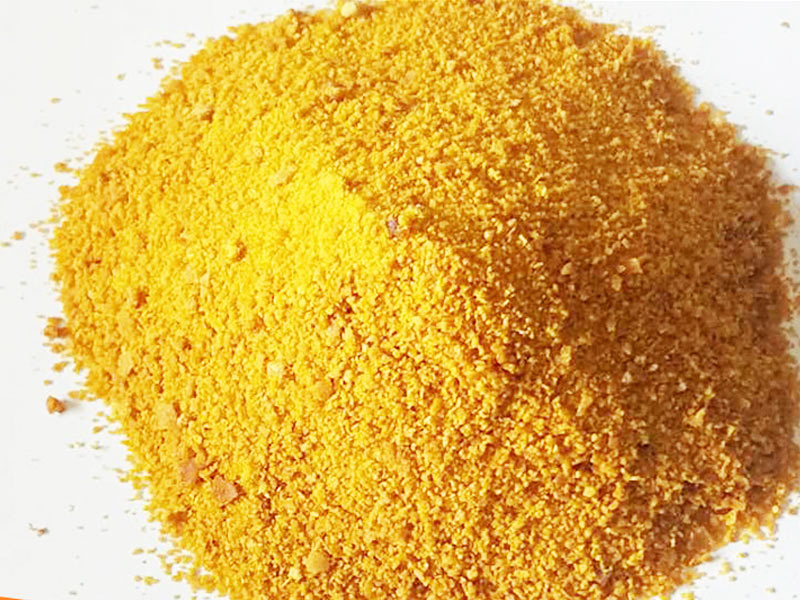
Under normal conditions, polyaluminium chloride is prepared at concentrations ranging from 1% to 10%. This equates to adding between 10 kilograms and 100 kilograms of product per tonne of water. Following preparation, the solution must be diluted according to on-site conditions before use. It should be noted that substantial foaming may occur within the dissolution tank during the dissolution process. This represents a chemical reaction. This phenomenon typically arises from excessively high preparation ratios or overly rapid stirring speeds. Excessive agitation introduces substantial air into the product solution, leading to foam formation that compromises performance. To prevent foaming, avoid preparing polyaluminium chloride at excessively high concentrations. Adhering to standard ranges is sufficient. Lower concentrations do not adversely affect subsequent usage, whereas excessively high concentrations are detrimental.