As a novice, one may find it somewhat confusing to distinguish between polyaluminium chloride and
polyaluminium ferric chloride. In practical application, however, certain differences exist between the two. Today, we shall provide a detailed explanation of their distinctions, hoping this may prove helpful.
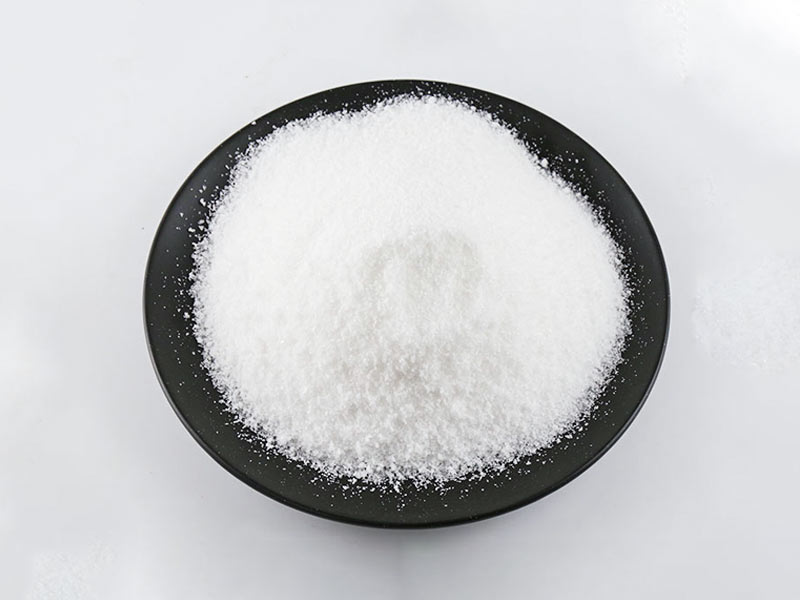
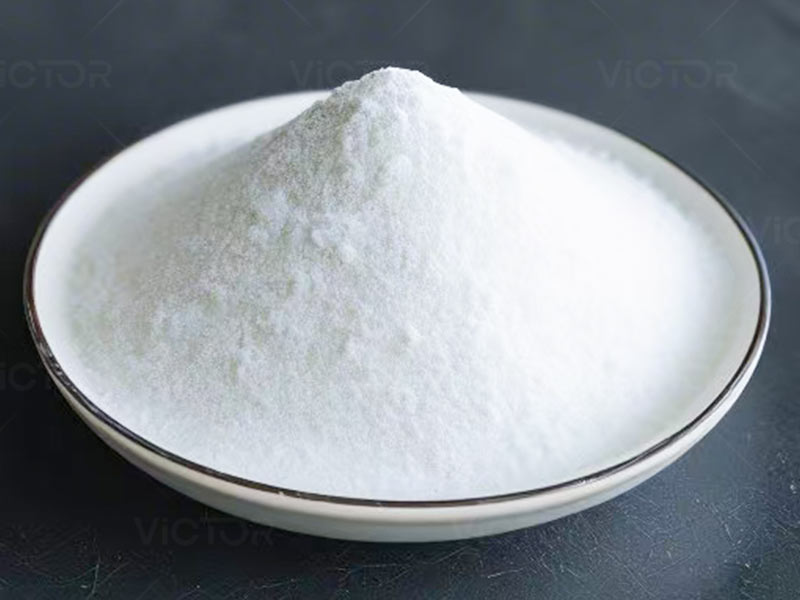
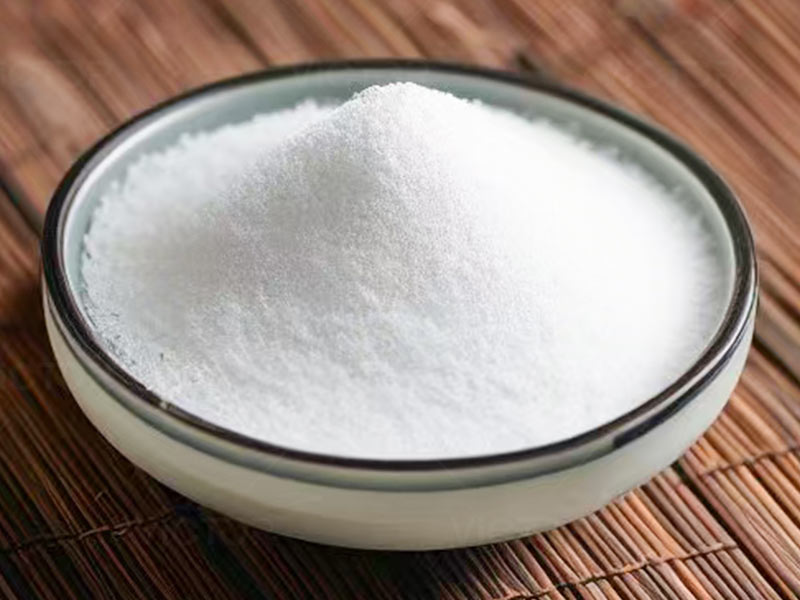
In essence, polyaluminium chloride and polyaluminium ferric chloride are not fundamentally different. The distinction lies solely in the iron content! During the production of polyaluminium chloride, adding substantial quantities of iron significantly increases the product's iron content. Once a certain threshold is reached, the product becomes polyaluminium ferric chloride. Consequently, there are distinctions such as drum-dried, plate-and-frame filtered, and spray-dried types. However, these are essentially the same as polyaluminium chloride. Drum-dried products contain higher levels of insoluble matter and are predominantly used for treating industrial wastewater. In terms of pricing, polyaluminium chloride is considerably more expensive and typically exhibits a paler colour. It plays a significant role in both industrial water treatment and potable water purification. Polyferric aluminium chloride, conversely, is predominantly reddish-brown due to its higher iron content. Its production utilises calcium aluminate powder as the raw material, limiting its application to general industrial water treatment. Consequently, it is substantially more economical.
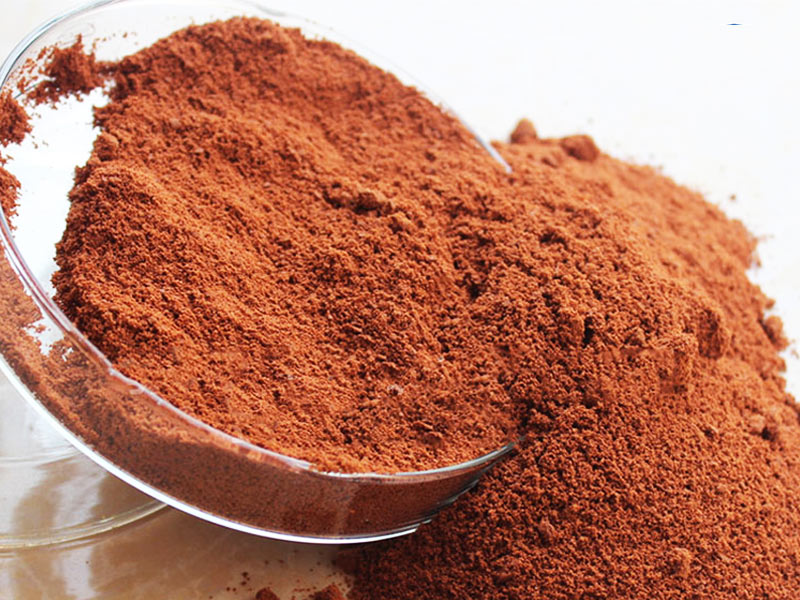
As an inorganic salt flocculant, polyaluminium ferric chloride demonstrates notable improvement in treating lead and iron ions during practical application. It dissolves readily in water, yielding a solution typically appearing brown or reddish-brown. It is employed in the treatment of industrial water and industrial wastewater. It exhibits excellent adsorption properties, delivering noticeable water treatment efficacy even under low-temperature and low-turbidity conditions. This stems from the minimal temperature influence on the iron salt's hydrolysis rate. Its rapid hydrolysis forms compact alum flocs, accompanied by swift sedimentation, effectively meeting operational requirements. Furthermore, as iron is an essential nutrient for the human body, its use in water treatment poses no health risks.
It should be noted that polyaluminium ferric chloride offers distinct advantages for industrial applications. It possesses broad applicability and requires lower dosage compared to traditional products, effectively reducing operational costs. Nevertheless, pilot testing remains essential prior to full-scale water treatment to determine an optimal dosage.