We are all aware that items have a specified usage period. Once this period is exceeded, deterioration may occur. Whether edible or otherwise, this will affect the final outcome.
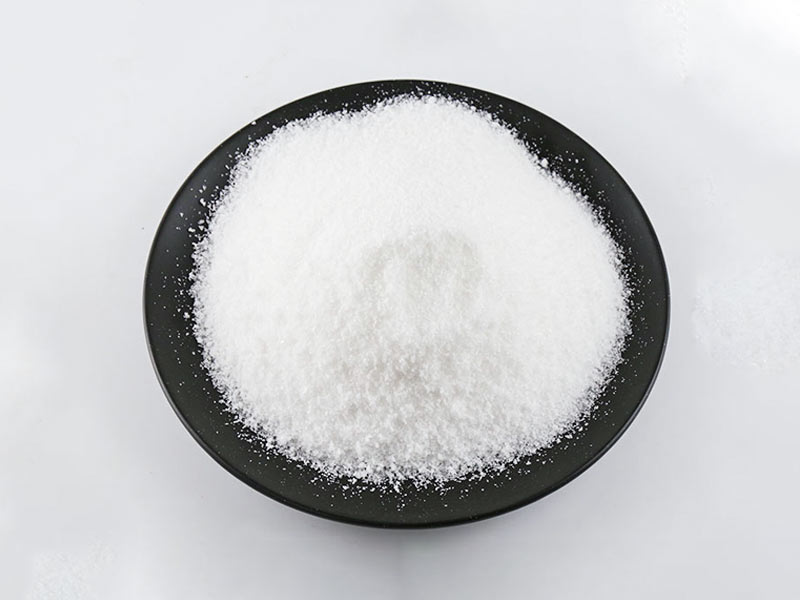
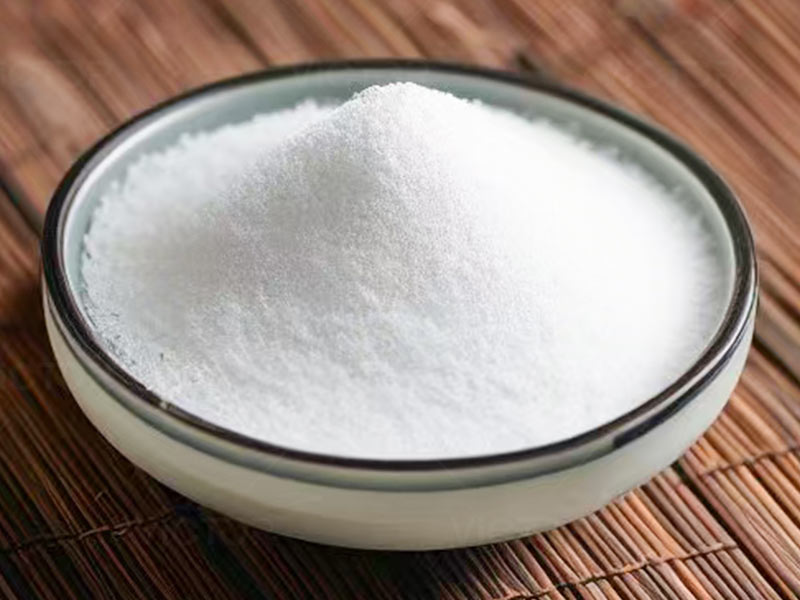
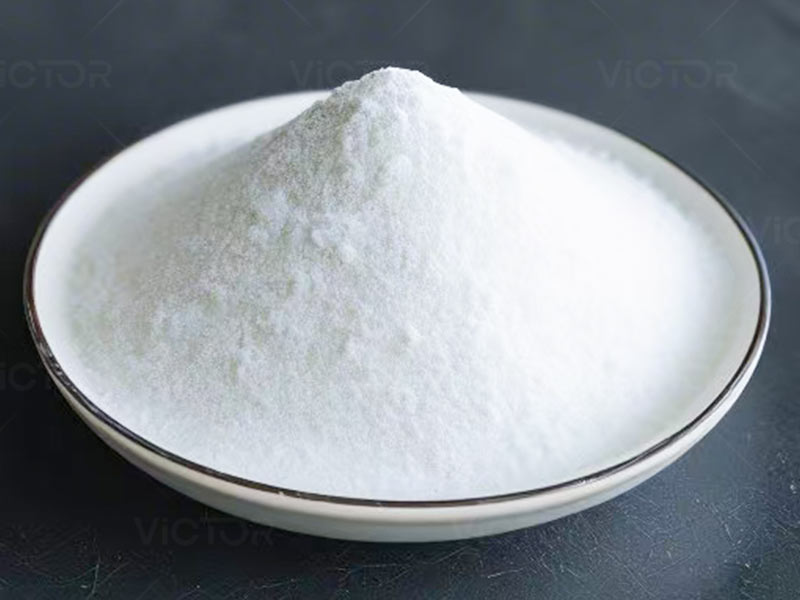
Polyacrylamide is no exception. Once noticeable clumping occurs, it will compromise its efficacy. This is because clumping impairs performance, leading to reduced water purification results.
Why does polyacrylamide form lumps? Several factors contribute: improper handling, rapid dissolution rates, excessive dosage, or uneven dosing leading to delayed dissolution. Water temperature also plays a role, as does impure dissolution water. Inadequate mixing or impurities within the chemical further compromise final efficacy. So how should lumps be addressed?
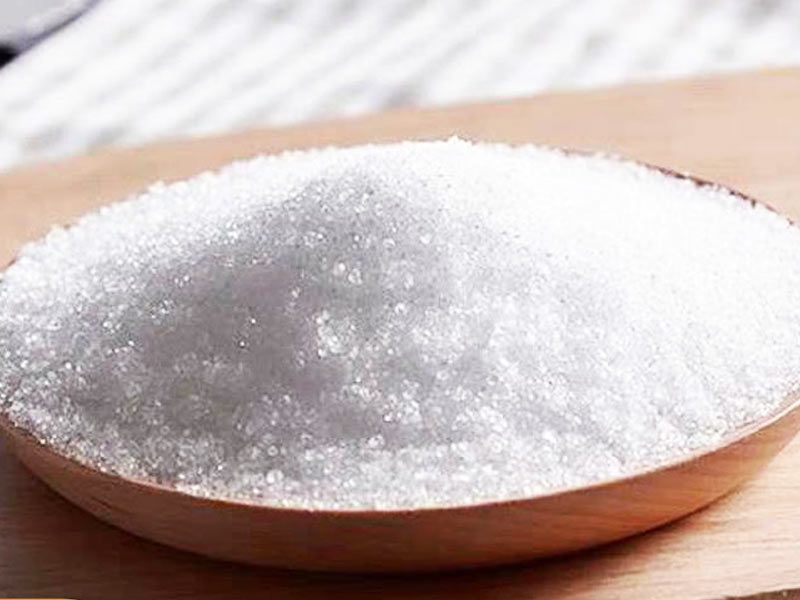
Should concerns exist regarding insufficient dissolution causing clumping during polyacrylamide use, liquid formulations may be procured directly. Note that once opened, products should be resealed promptly after use. Alternatively, store in a well-ventilated, dry location to prevent moisture exposure and subsequent clumping. To mitigate clumping risks during dissolution, tap water is recommended. Concentration is typically set at 1/1000. During application, polyacrylamide should be added uniformly to water while stirring continuously to prevent clumping. Specifically, manual stirring requires 6-8 hours, whereas mechanical stirring should last no less than 40 minutes. Where feasible, heating the water on-site is advisable, as elevated temperatures accelerate dissolution. However, water temperature should ideally not exceed forty degrees Celsius under normal conditions.
Our current polyacrylamide products feature varying degrees of ionisation. Selection of the appropriate grade can be determined experimentally during use. No hydrolysis is required; the product is ready for use upon dissolution. It should be noted that some may habitually refer to dissolution as hydrolysis, though these are distinct processes. Hydrolysis involves decomposition through the addition of water, constituting a chemical reaction. Dissolution, conversely, is a purely physical process. Fundamentally, hydrolysis and dissolution are distinct phenomena and should not be conflated. Beyond improper use leading to clumping, substandard product quality may also result in poor efficacy or other adverse outcomes. This warrants particular attention. Therefore, when employing polyacrylamide products, careful distinction between dissolution and hydrolysis is essential.