When polyacrylamide is mentioned, one imagines most are already familiar with this chemical agent. It belongs to the category of high-molecular-weight inorganic polymers, with types including anionic, cationic, non-ionic, and amphoteric varieties. In water purification processes, it serves as both a flocculant and a dewatering agent. However, certain precautions warrant attention. Many assume that the greater the dosage of polyacrylamide added to water, the more effective the purification will be. In fact, this is not the case. Excessive dosing can produce the opposite effect. Therefore, moderation is key. As the Tao Te Ching states, ‘When things reach their extreme, they reverse; when adversity reaches its peak, prosperity follows.’ In all endeavours, moderation is essential; otherwise, the outcome may be counterproductive. This principle applies equally to our conduct in daily life and to the field of water purification. Today, Henan Victor Manufacturer will analyse the hazards of excessive polyacrylamide dosing.
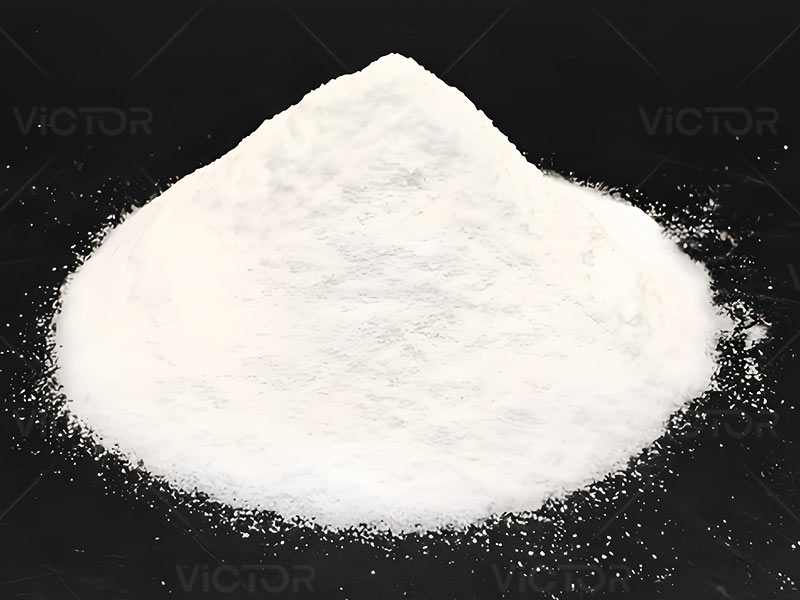
Given the diversity of water purification industries, the optimal dosage of polyacrylamide varies significantly. If the dosage falls below this threshold, the desired purification effect cannot be achieved. Conversely, exceeding the recommended dosage will result in poor purification outcomes. When the dosage is appropriately calibrated, the polyacrylamide effectively adsorbs and bridges high concentrations of particulate impurities in wastewater, forming flocs. However, excessive dosage diminishes bridging efficacy, reducing particle adsorption and significantly weakening flocculation. Furthermore, ions may repel one another or exhibit dispersion instability. This raises the question: ‘Do all water treatment chemicals possess an optimal dosage?’ The answer is affirmative. Achieving this optimal dosage not only ensures superior purification but also reduces treatment costs.
From the above analysis, it follows that:
Polyacrylamide Unlike other water treatment chemicals, more is not necessarily better. Instead, a jar test should first be conducted to determine the most suitable dosage. If not properly controlled, it may actually have the opposite effect. Thank you for watching! We hope this article has been helpful.。