The interplay of yin and yang constitutes the Way. Within ancient Chinese culture, yin and yang held a particularly significant role. The Supreme Ultimate gave rise to the Two Instruments, and the harmonious balance of yin and yang has been the fundamental principle followed since antiquity. Yin and yang are also referred to as the Heavenly and Earthly Principles; a male's destiny is termed the Heavenly Constitution, while a female's is known as the Earthly Constitution. But I digress; let us return to the subject at hand.
Polyacrylamide exists in numerous varieties. What distinguishes anionic polyacrylamide from cationic polyacrylamide? Both are high-molecular-weight polymers. In wastewater treatment, they are commonly employed as flocculants. Those new to the water purification industry often find this distinction somewhat ambiguous. For cationic polyacrylamide, the primary consideration is ion degree. Conversely, anionic polyacrylamide prioritises molecular weight. However, their mechanisms of action and purification efficacy exhibit distinct characteristics. Naturally, the selection of polyacrylamide varies according to the specific wastewater stream from different industries. Below, we present a comparative analysis of anionic PAM and cationic PAM to facilitate a comprehensive understanding.
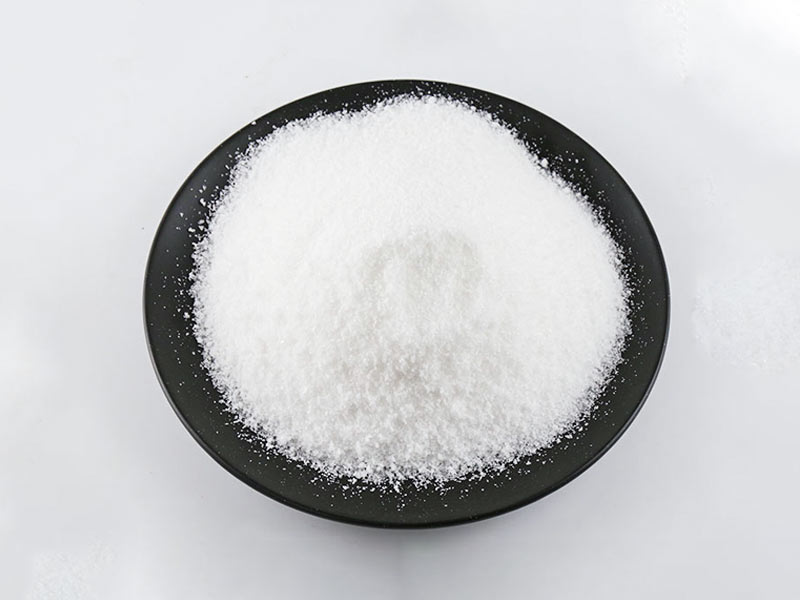
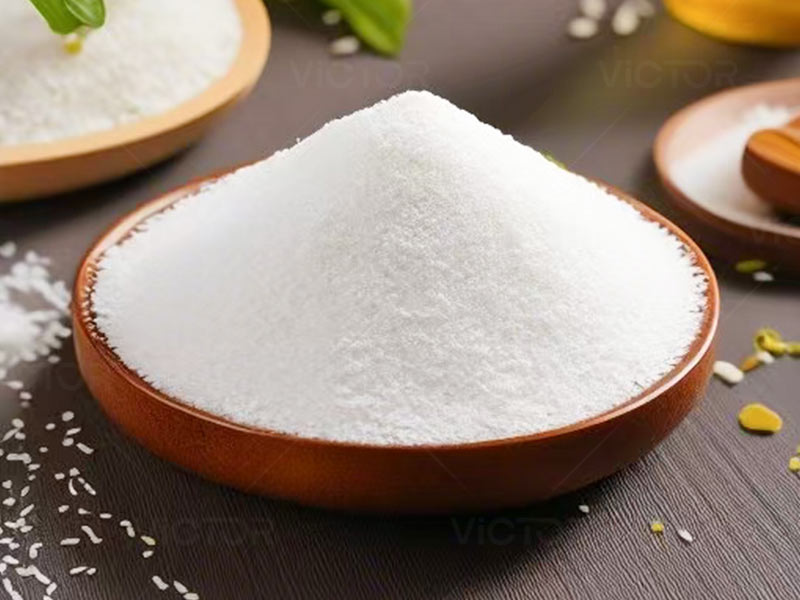
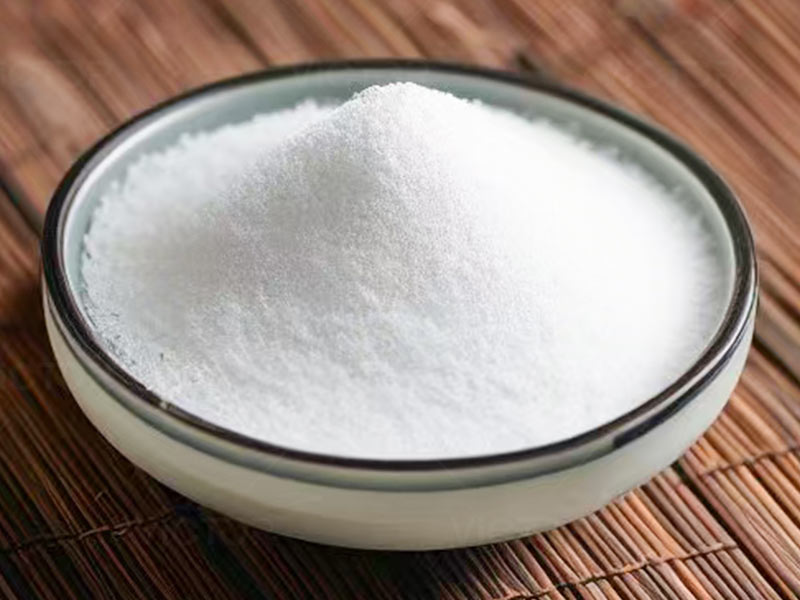
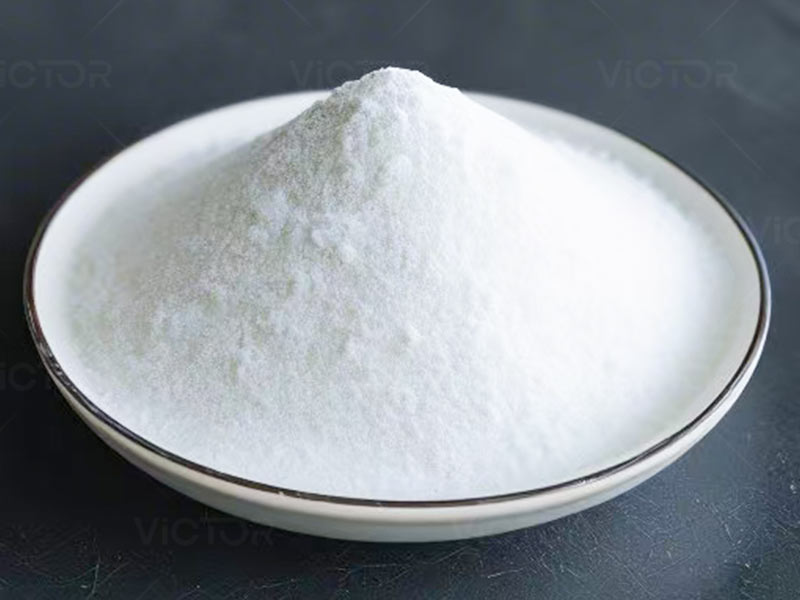
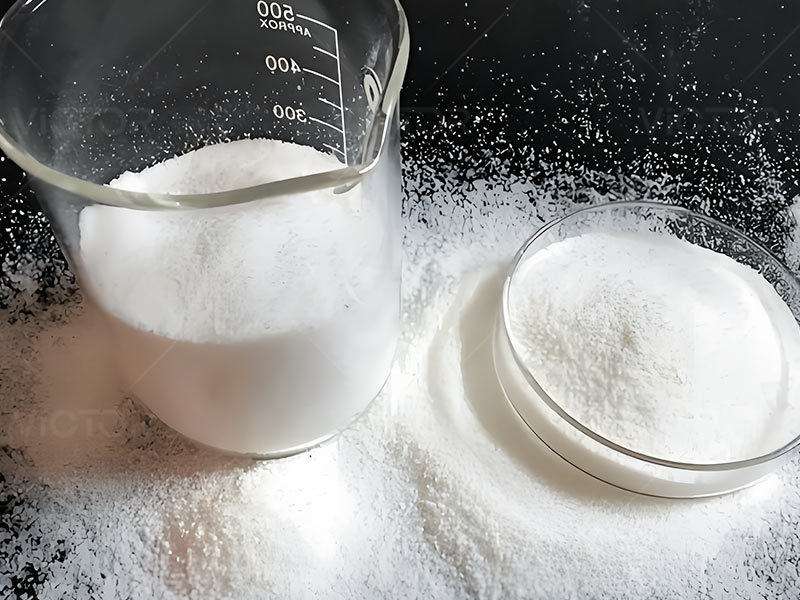
1. Appearance: Visually, anionic and cationic polyacrylamide appear indistinguishable. Both present as white granular or powdered substances. The most convenient and commonly employed method for determining the amide type is through laboratory testing.
2. Molecular Weight: Cationic polyacrylamide typically has a molecular weight ranging from 5 million to 12 million. Anionic PAM generally exhibits a molecular weight between 8 million and 20 million.
3. Industrial Applications: Anionic polyacrylamide is typically employed as: flocculants in water treatment plants, additives in paper mills, sludge dewatering agents, and oilfield binders. Cationic polyacrylamide finds use in: sugar refineries, potable water treatment, food processing, starch production, and brewing industries.
4. Product Characteristics: Cationic polyacrylamide rapidly forms large, compact flocs with high dewatering efficiency, requiring minimal dosage and exhibiting excellent flocculation properties. This reduces water purification costs for clients. When treating sludge water, it can be used in conjunction with specialised dewatering equipment such as high-speed centrifuges and plate-and-frame filter presses. The resulting filter cake exhibits extremely low moisture content, making cationic polyacrylamide widely applicable in sludge dewatering for: paper mills, mineral processing plants, metallurgical plants, leather factories, chemical industries, municipal wastewater treatment, and cosmetic raw material production.
The pH adaptability range for anionic polyacrylamide is 7-14. Currently, two manufacturing processes exist for this product on the market: homopolymerisation and copolymerisation. Its primary applications include industrial wastewater treatment, targeting suspended particles in water and high-concentration effluents. The pH adaptability range for water is either neutral or alkaline wastewater. Consequently, it is frequently employed in water treatment sectors such as metallurgical wastewater, coal washing effluent, steel mill effluent, mineral processing wastewater, and electroplating wastewater. Particularly for coal washing plant effluent, anionic polyacrylamide is the preferred choice, delivering superior purification results.
Henan Victor Water Purification has long specialised in wastewater treatment. With outstanding expertise in water purification, we assist clients in resolving diverse challenges. We maintain a leading position within the water treatment sector. Our core product range includes: polyacrylamide, polyaluminium chloride, polyaluminium ferric chloride, ferric sulphate polymer, activated carbon, ferrous sulphate, and other water treatment materials. We welcome your enquiries!