Polyacrylamide serves as a water treatment chemical that delivers effective purification with minimal dosage. Numerous enterprises opt for polyacrylamide products during wastewater treatment processes. However, its production typically employs either the sulphuric acid hydrolysis method or the copper-catalysed hydrolysis method. Consequently, trace amounts of reaction by-products may be present during the reaction process. The majority of polyacrylamide products currently available are manufactured from acrylic products.
Given that the acrylic component within polyacrylamide possesses certain toxicity, safety precautions are paramount during its utilisation. Failure to observe safety measures may lead to severe consequences. When handling polyacrylamide products, ensure prompt rinsing with water should any material adhere to skin or eyes. Polyacrylamide must never be ingested. As polyacrylamide products are predominantly synthetic flocculants, sedimentation methods may be employed during application. This facilitates the separation of difficult-to-settle particles within wastewater. Polyacrylamide is a flocculant of excellent performance and quality. Therefore, care must be taken during use to avoid strong chemical reactions that could render it ineffective. What should be noted when preparing polyacrylamide?
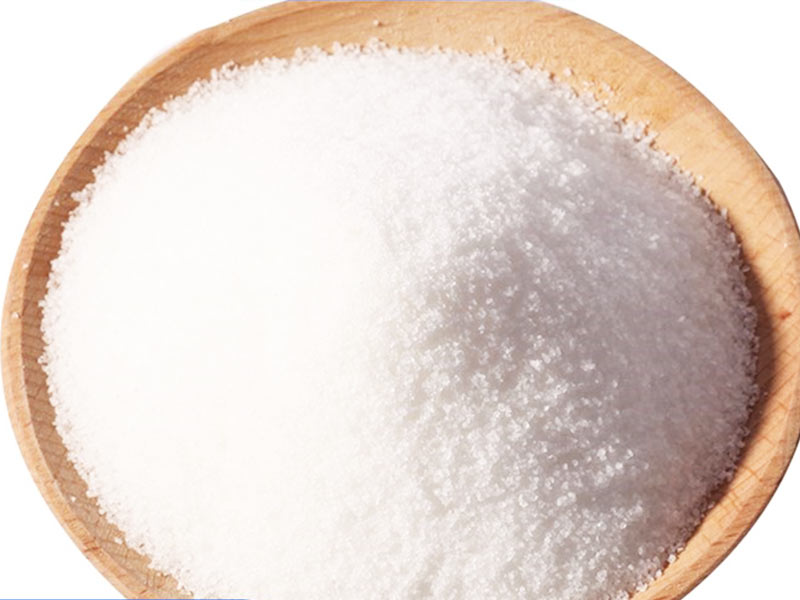
Proper preparation is crucial for polyacrylamide application. Understanding water characteristics is essential to tailor treatment effectively. When preparing the solution, polyacrylamide should be added slowly to tap water. Reclaimed water must not be used. During winter months when water temperatures are low, the water must be heated. However, the water temperature during dissolution should not be excessively high, as this may cause degradation. Furthermore, the stirring speed should be moderate. Excessively rapid stirring can also lead to degradation of the polyacrylamide product. Conversely, too slow a stirring speed will result in an excessively prolonged dissolution time. Polyacrylamide products must not be added directly to wastewater. They must first be prepared as an aqueous solution, typically at a concentration between 0.1% and 0.3%. While higher concentrations may allow for longer storage of the polyacrylamide solution, it cannot be used directly and must be diluted. Prepared polyacrylamide solutions must be utilised promptly. Prolonged storage diminishes their water purification efficacy.