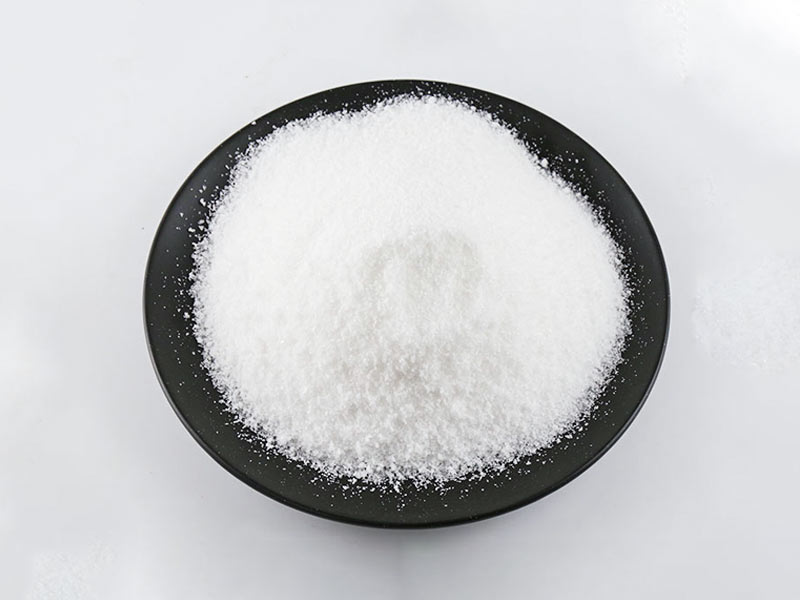
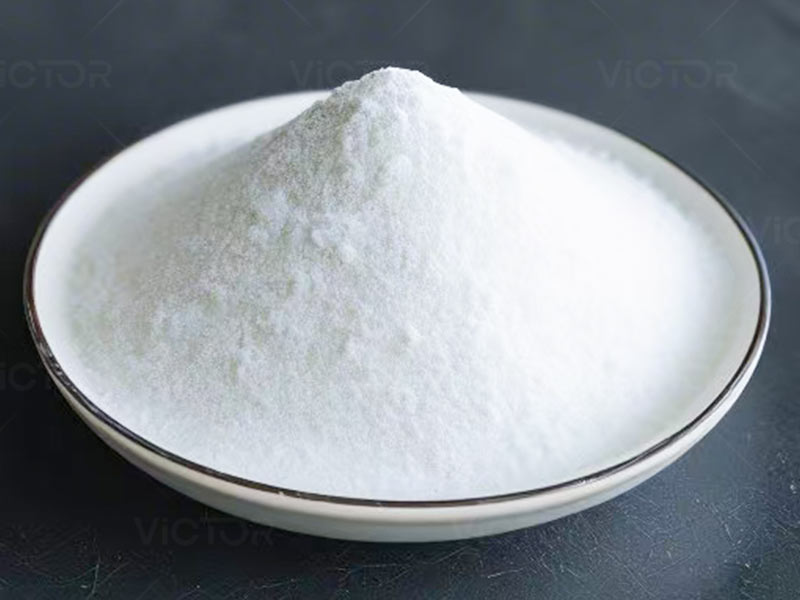
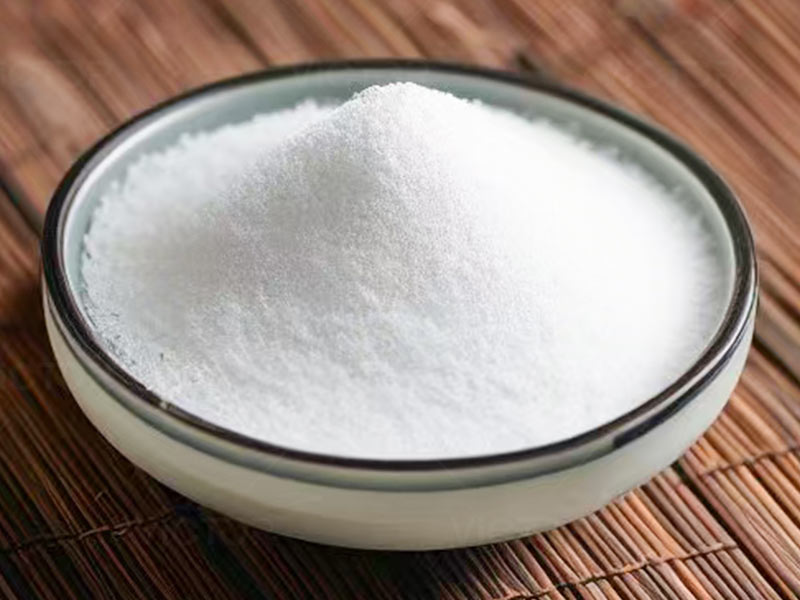
In wastewater treatment processes,
polyaluminium chloride serves as an exceptional water purification agent, effectively eliminating bacteria, odours, and discolouration. It boasts a remarkably broad range of applications. Its dosage requirements are approximately 30% lower than traditional water treatment chemicals. It has gained international recognition as a water treatment agent delivering outstanding wastewater treatment efficacy.
As a wastewater treatment chemical, polyaluminium chloride effectively purifies drinking water and tap water, making it a highly valued product. Its capabilities include removing iron, cadmium, fluoride, radioactive contaminants, and floating oils, contributing to its extensive industrial applications. What, specifically, are the performance characteristics of polyaluminium chloride?
Owing to its large molecular structure, polyaluminium exhibits strong adsorption capacity while requiring minimal dosage. It dissolves effectively, forming large flocs in water with rapid settling rates. Its purification efficacy surpasses that of other flocculants, coupled with strong adaptability. It is minimally affected by water quality or temperature variations, possesses low corrosivity, and is straightforward to handle. It significantly improves dosing procedures, reduces labour intensity, and optimises operational conditions.
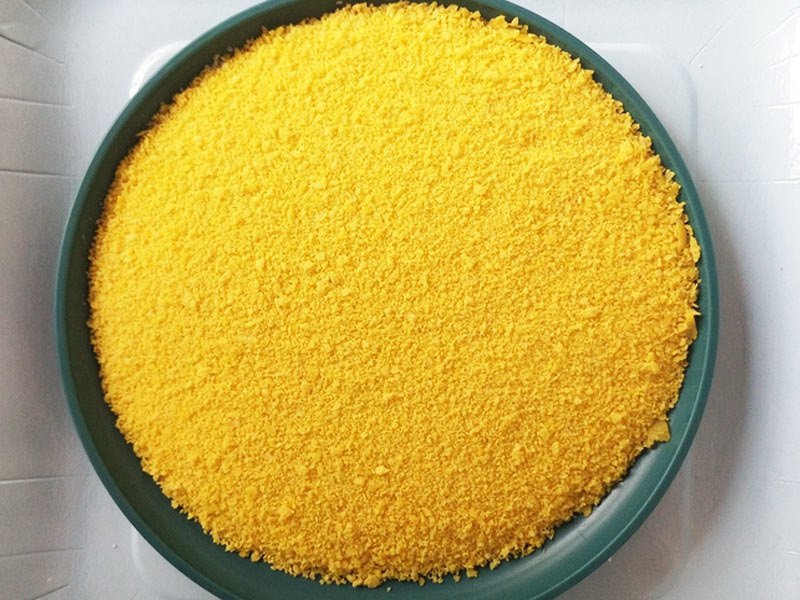
It is important to note particular care must be taken when preparing polyaluminium chloride. Dissolve it first by adding water at a ratio of 1:3. After dissolution, dilute with 10-30 times the volume of clean water. Once diluted to the required concentration, it is ready for use. The optimal pH range for application is between 3.5 and 5. Selecting the optimal pH range maximises efficacy. Dosage should be determined based on the turbidity of the raw water. Specifically, for standard turbidity levels, the dosage for treating 1,000 tonnes of wastewater is 10-20kg. However, dosage may be appropriately increased for higher turbidity or reduced for lower turbidity. Dosage varies according to water quality. For low-turbidity water, dilute with dissolved water at a 1:3 ratio, stirring until fully dissolved. In domestic wastewater treatment, initially apply 30 grams per tonne of water, followed by the diluted polyacrylamide solution. Adjust dosage up or down as required if results are unsatisfactory. However, concurrent use with polyacrylamide during water treatment may yield superior results.