

Newstime:2025-02-27 Source:Polyacrylamide
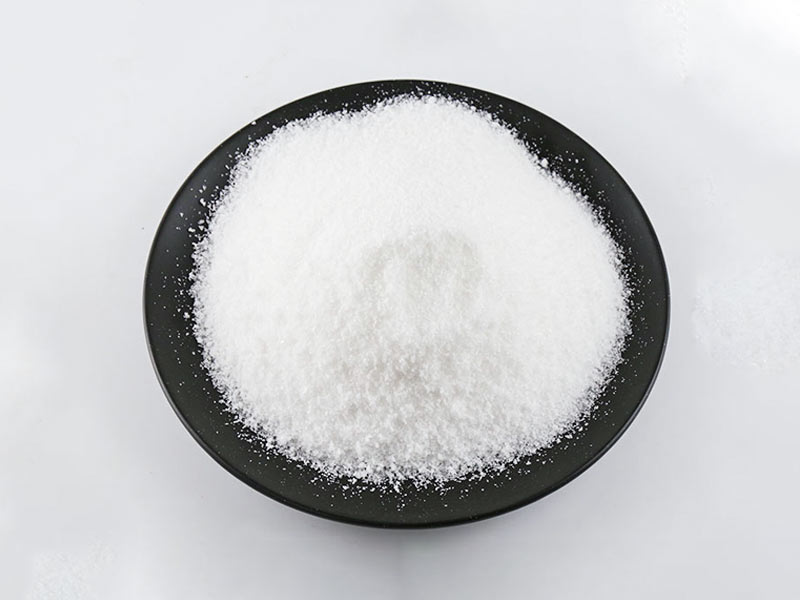
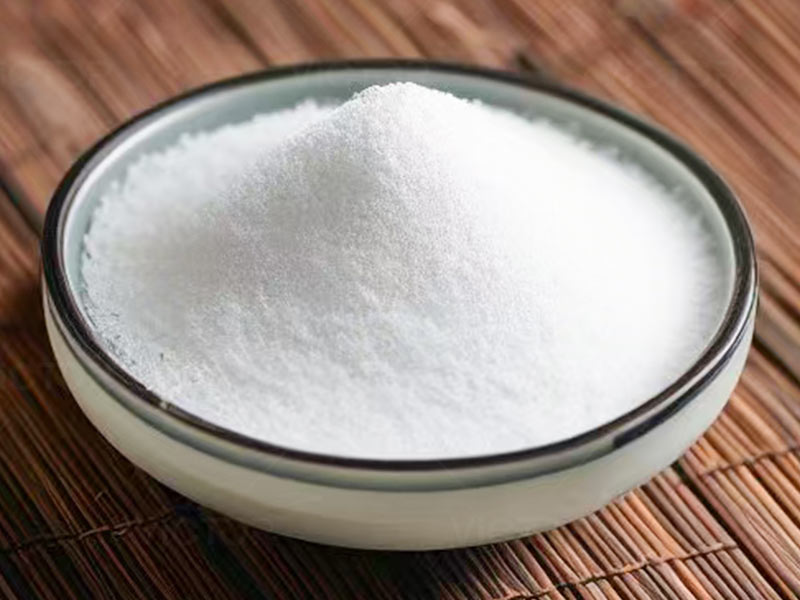
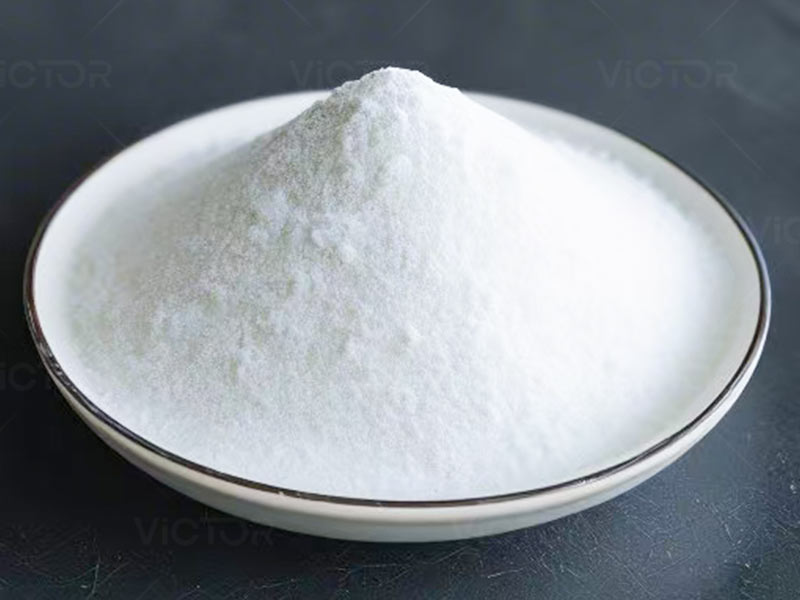
Composite ionic polyacrylamide primarily consists of a copolymer formed by combining three major ions: anionic, cationic, and acrylamide. When the reactivity of the monomers approaches equilibrium, an amphoteric polymer with an irregular distribution is obtained. This is composite ionic polyacrylamide.
Presently, Victor offers two types of composite ionic polyacrylamide. The first is a copolymer formed by combining anionic, cationic, and acrylamide ions. Its primary advantages lie in precise controllability and the ability to synthesise products with exceptionally high cationic charge. However, due to stringent requirements for selecting monomer reactivity, achieving high molecular weight products proves challenging without meticulous control. The other type allows direct selection between polyacrylamide or partially hydrolysed polyacrylamide products for cationic modification. This approach is also viable, offering advantages in simpler process operations and lower production costs. The resulting products exhibit relatively high molecular weights. However, achieving a higher degree of cationisation proves challenging. Comparatively, for applications demanding superior product quality, the first type of composite ionic polyacrylamide is recommended when the polymer must meet specific specialised requirements.
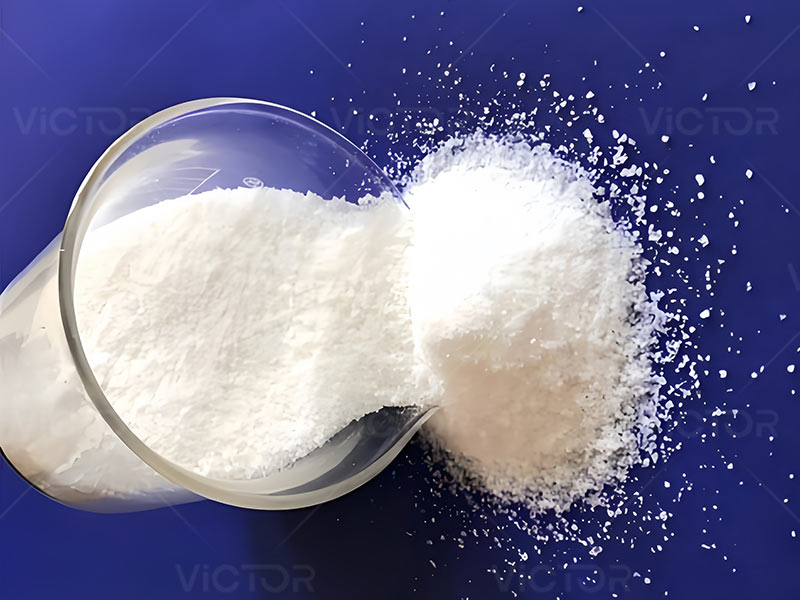
How is victor Composite Ionic Polyacrylamide dissolved? Generally, the solubility of composite ionic polyacrylamide is limited. It is largely insoluble in most organic solvents, such as methanol, ethanol, acetone, diethyl ether, aliphatic hydrocarbons, and aromatic hydrocarbons. Therefore, to achieve better solubility, Zeseng Composite Ionic Polyacrylamide can first be dispersed in a water-soluble alcohol. Stirring it into water thereafter will significantly accelerate the dissolution rate. It should be noted that the dissolution rate of composite ionic polyacrylamide in water is unaffected by pH. However, for partially hydrolysed products, a slightly alkaline pH may marginally increase the dissolution rate of PAM.
The foregoing provides an overview of composite ionic polyacrylamide products. It is hoped this information will enhance your understanding of composite ionic polyacrylamide.
The link to this article is: https://www.polyacrylamidepam.com/blog/what-is-polyacrylamide.html
Copyright: Please credit the source when reproducing this content.2026-05-01
2026-03-31
2026-03-30
2026-03-30
2026-03-29