Among the more common wastewater treatment chemicals encountered in daily life, polyaluminium chloride and
polyacrylamide stand out. What distinguishes these two products as water purification agents? How might one select the most suitable option for everyday use? Let us hear what Victor Polyacrylamide Manufacturer has to say!
First, let us discuss the commonalities between polyacrylamide and polyaluminium chloride. Both polyacrylamide and polyaluminium chloride can be employed as wastewater treatment agents, aiding in water purification.
So what are the practical differences between polyacrylamide and polyaluminium chloride products? Polyacrylamide is primarily used in sewage treatment, industrial water treatment, and raw water treatment. The specific applications of polyacrylamide vary across different scenarios. In industrial water treatment, it is primarily employed as a formulation agent. For sewage treatment, polyacrylamide mainly serves to enhance water recycling rates. In raw water treatment, polyacrylamide products are utilised to replace inorganic flocculants, thereby improving purification efficiency. Polyaluminium chloride also delivers excellent wastewater treatment results, though its application scope is broader. This is because polyaluminium chloride rapidly forms flocs with outstanding sedimentation properties. After water treatment, it effectively reduces water alkalinity. Moreover, it maintains stable sedimentation even at low water temperatures and exhibits negligible corrosion potential towards equipment – characteristics polyacrylamide products cannot achieve.
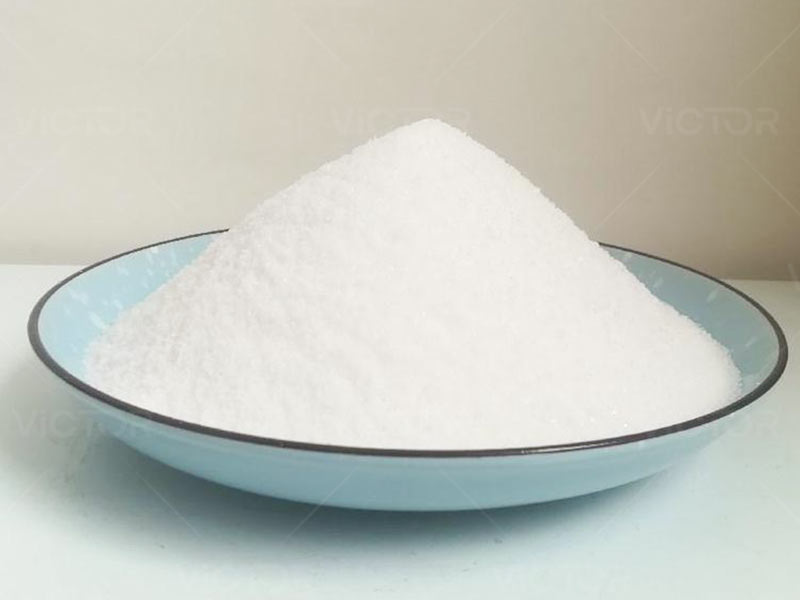
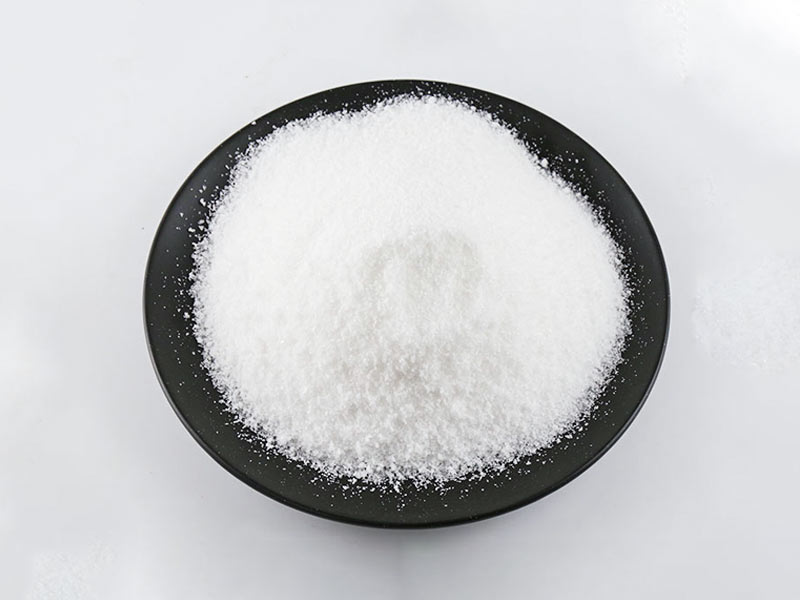
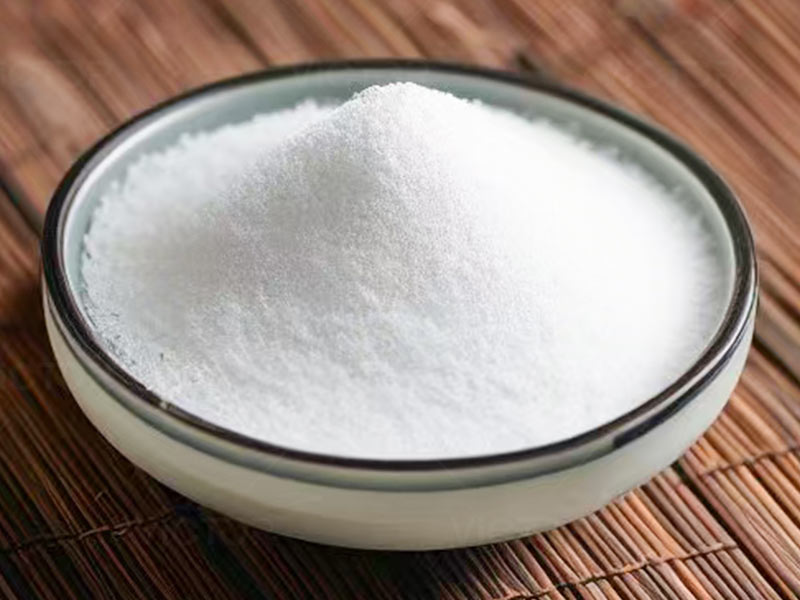
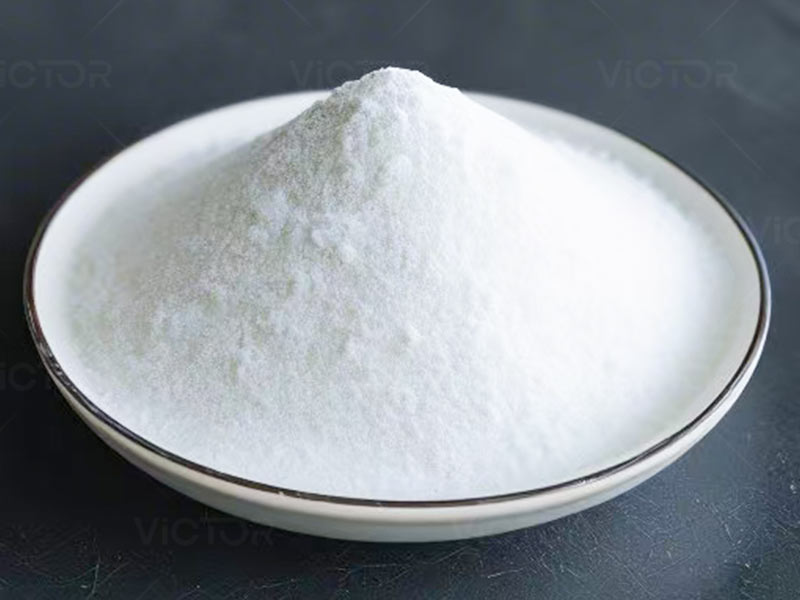
Beyond these, what further distinctions exist between polyacrylamide and polyaluminium chloride? Differences lie in appearance, manufacturing processes, and applications. Polyacrylamide typically presents as white powdered granules, making visual differentiation of quality challenging. Polyaluminium chloride, conversely, exhibits colour variations ranging from yellow to pale yellow and brown, with distinct shades indicating differing product grades. Regarding applications, polyaluminium chloride, owing to its greater stability, is frequently employed in drinking water production and wastewater purification within the papermaking industry. However, polyacrylamide holds distinct advantages. It requires a lower dilution ratio and boasts broader applicability. Polyacrylamide can effectively treat high-concentration wastewater that proves challenging for certain polyaluminium chloride products. It finds extensive application within the wastewater treatment sector. Finally, concerning processing techniques, the manufacturing process for polyacrylamide is somewhat more complex. It also permits the production of different categories and grades of the product based on varying processes and raw materials.