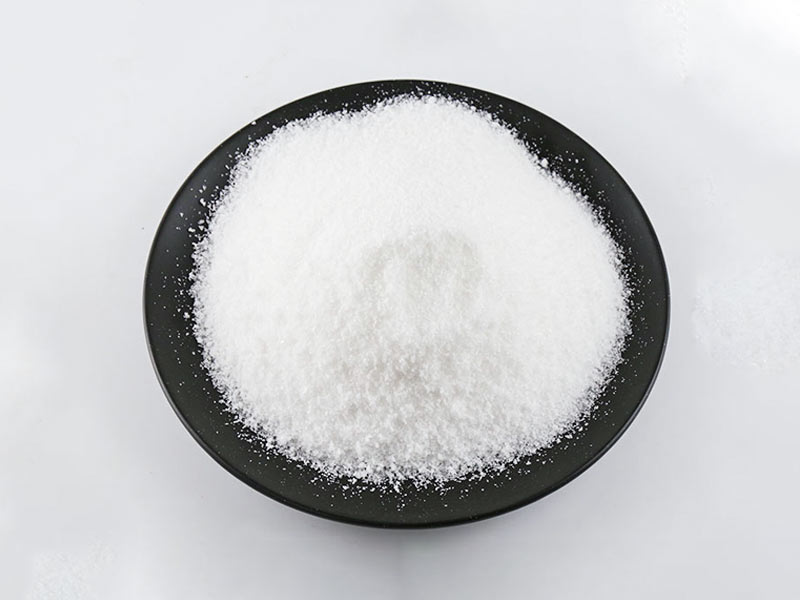
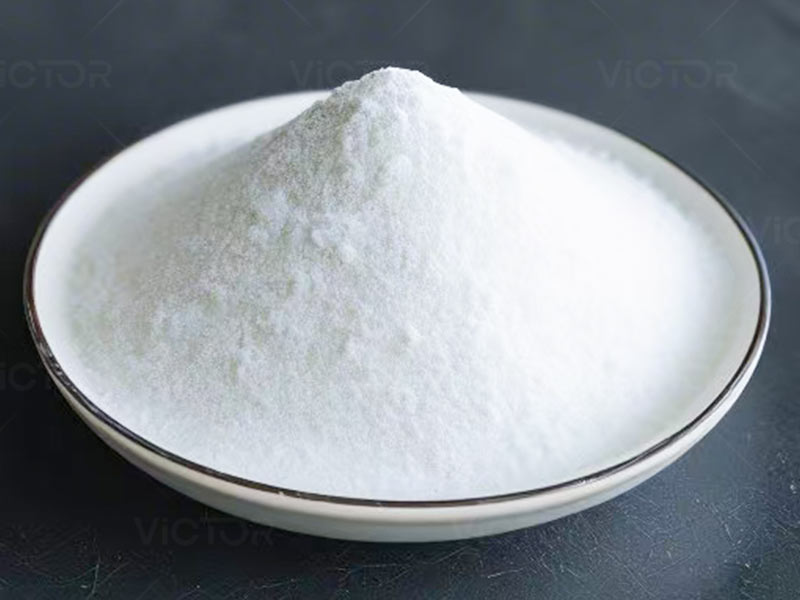
Polyacrylamide, whilst an efficient water purification agent, can present numerous issues during application. However, these problems can be resolved through human intervention. It should be noted that VICTOR polyacrylamide products are organic macromolecular polymers with relatively long molecular chains. Consequently, careless handling during use may readily cause chain breakage, thereby compromising overall efficacy.
Due to unfamiliarity with the properties of polyacrylamide products, many users encounter difficulties. For instance, what volume of water should be added when dissolving polyacrylamide? What is the appropriate mixing ratio? While these matters are addressed in the product's instructions, few are aware of the issue of polyacrylamide product caking. So how should we address polyacrylamide products once they have clumped? Below is a brief explanation of the procedure.

In practice, tap water is typically used for dissolving polyacrylamide products. However, during winter months, lower water temperatures necessitate extended stirring times for dissolution. Additionally, storage should be conducted in dry, well-ventilated areas, with sealed containers used after each application. From a chemical perspective, polyacrylamide is a high-molecular-weight polymer. During dissolution, it undergoes expansion. Therefore, when adding polyacrylamide to water for dissolution, it should be added slowly and evenly. Once the initial polyacrylamide begins to dissolve, its swollen volume increases significantly. This swollen mass will envelop any polyacrylamide added subsequently. If the later additions cannot dissolve completely, it is prone to forming lumps. To prevent agglomeration, ensure the water is thoroughly stirred and dissolved before initiating polyacrylamide addition. Gradually introduce the polyacrylamide under these conditions to minimise clumping during the dosing process.
In summary, when utilising polyacrylamide products, it is imperative to strictly adhere to the operating instructions and precautions provided. This prevents various issues arising during use that could compromise the final application effectiveness and increase costs.