

Newstime:2025-03-01 Source:Polyacrylamide
If you frequently purchase goods, you will notice that ninety-nine per cent of items carry a shelf life. Polyacrylamide is no exception. As an economical chemical agent for wastewater treatment, polyacrylamide also delivers excellent water purification effects. But how does one identify when polyacrylamide has expired and become ineffective?
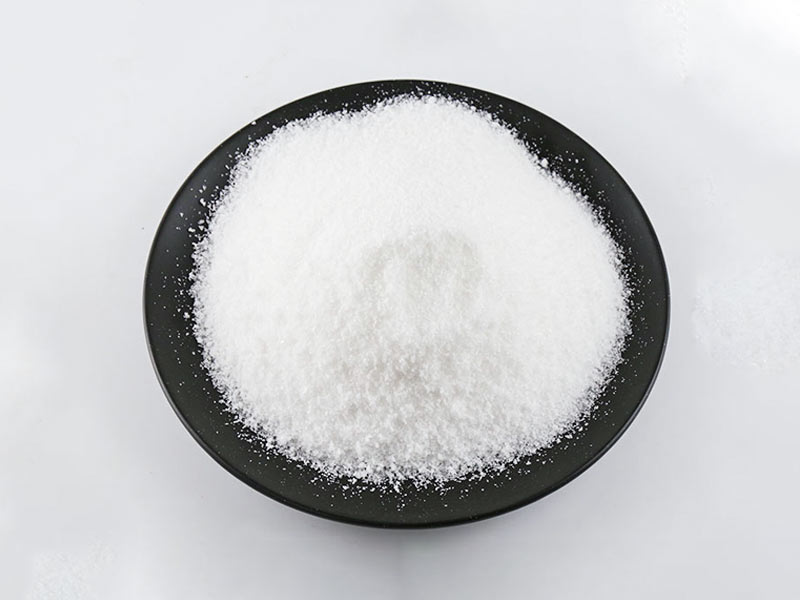
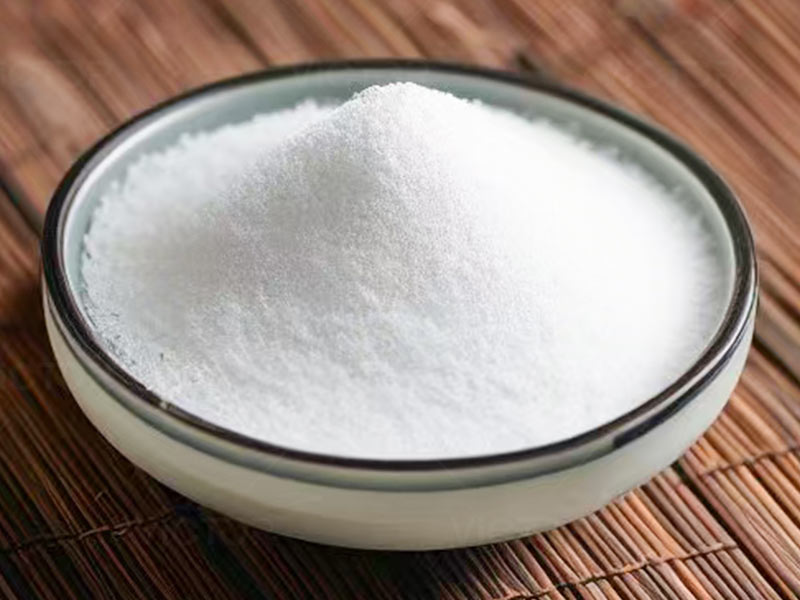
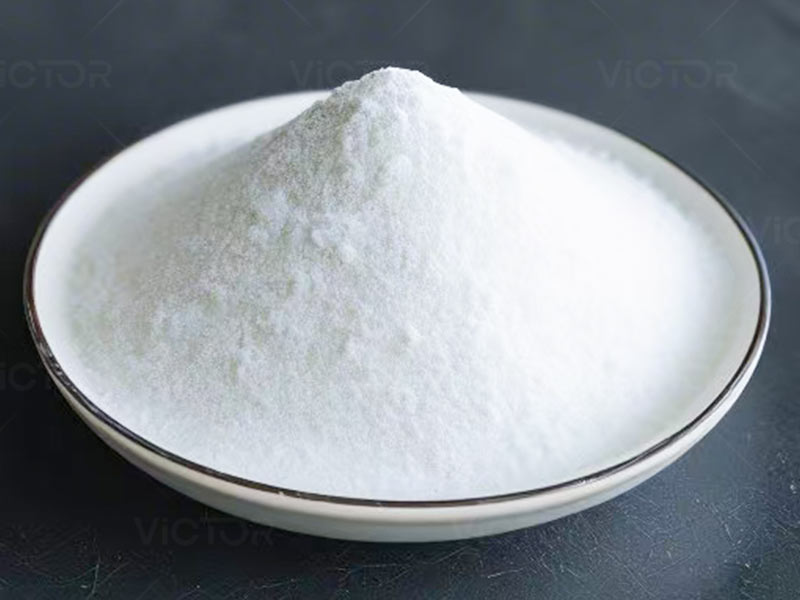
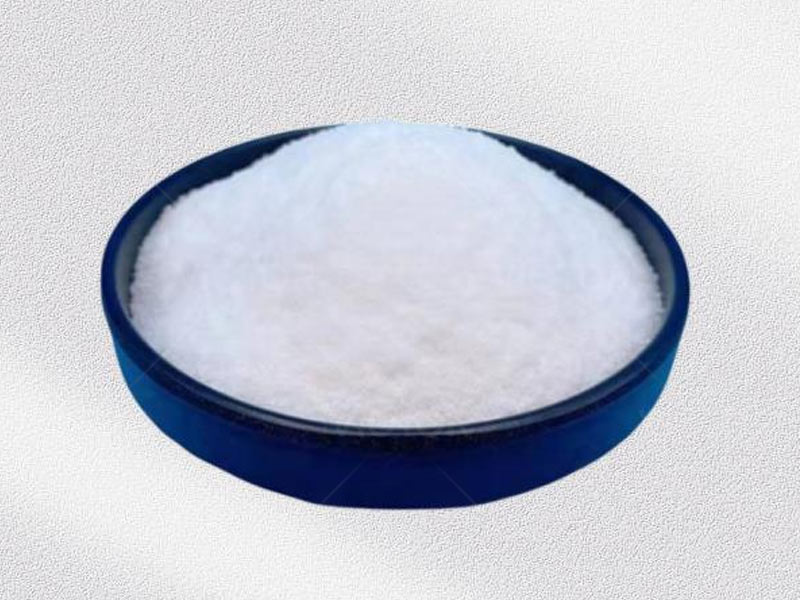
Once polyacrylamide becomes ineffective, its performance in wastewater treatment is significantly diminished. Therefore, it is essential to learn how to identify expired polyacrylamide products. Do not be misled by the appearance of polyacrylamide products clumping into lumps, as this does not necessarily indicate failure. In humid climates, such as those found in southern regions, prolonged storage or improperly sealed packaging can cause moisture absorption and clumping. Such clumps remain usable and can be dissolved for further application. Determining whether a product has deteriorated relies on assessing its viscosity and flocculation capacity. If viscosity is present after dissolution, the product remains effective. However, once polyacrylamide forms lumps, it becomes extremely difficult to dissolve. Furthermore, polyacrylamide products carry a risk of deterioration once past their shelf life. When polyacrylamide deteriorates, its viscosity decreases significantly, and its flocculation efficacy becomes markedly poor.
What precautions should be taken when using flocculants? What factors contribute to reduced polyacrylamide viscosity? High-speed agitation reduces viscosity. Rapid mixing causes molecular breakage in polyacrylamide products. Employing high-speed stirring or transport equipment diminishes molecular weight and flocculation capacity. Furthermore, avoid adding iron compounds during mixing, as this substantially reduces viscosity and flocculation efficacy. Simultaneously, elevated temperatures directly impact the efficacy of polyacrylamide products. Typically, the molecular weight of a given polyacrylamide product in 80°C water reduces to one-third of its original value. When placed in 50°C water, it decreases to one-tenth. Below 30°C, molecular weight reduction occurs at a much slower rate. Thus, temperature directly influences the performance of polyacrylamide.
Furthermore, suspended impurities can affect the viscosity of polyacrylamide products. Moreover, the reaction between oxygen and iron can generate free radicals. Ultraviolet radiation produces a similar detrimental effect, degrading solution performance. Therefore, particular attention must be paid to these factors.
The link to this article is: https://www.polyacrylamidepam.com/blog/how-can-one-determine-whether-polyacrylamide-has-deteriorated.html
Copyright: Please credit the source when reproducing this content.2026-05-01
2026-03-31
2026-03-30
2026-03-30
2026-03-29