There are numerous types of water purification chemicals, including
polyaluminium chloride and polyaluminium ferric chloride. Though differing by but a single character, they exhibit significant distinctions. What are the practical differences between them in application? Let us explore!
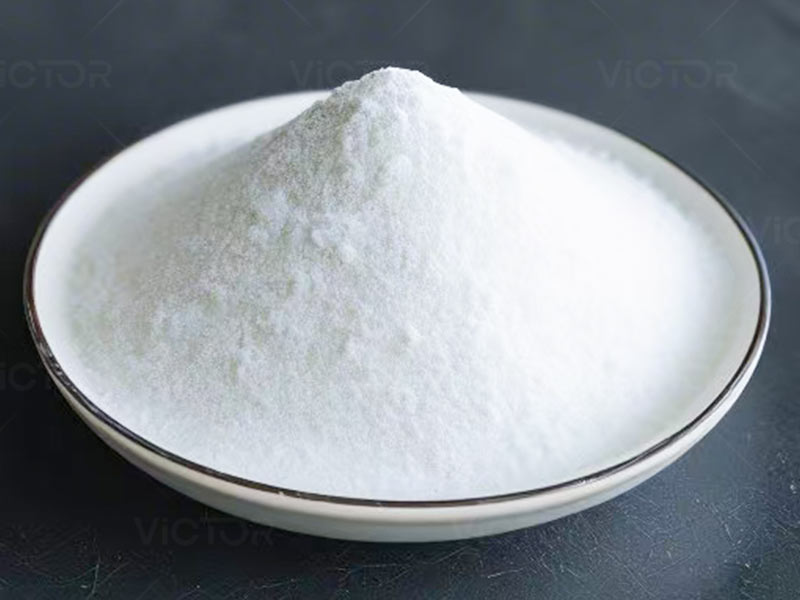
Polymerised aluminium chloride undergoes rapid hydrolysis. It readily forms large flocs with swift settling rates, though its performance is susceptible to water temperature fluctuations. Polymerised aluminium ferric chloride, however, presents differently. It appears as a solid reddish-brown powder, dissolves readily in water, and boasts broad applicability. It effectively treats both industrial water and domestic sewage. How might one distinguish between the two?
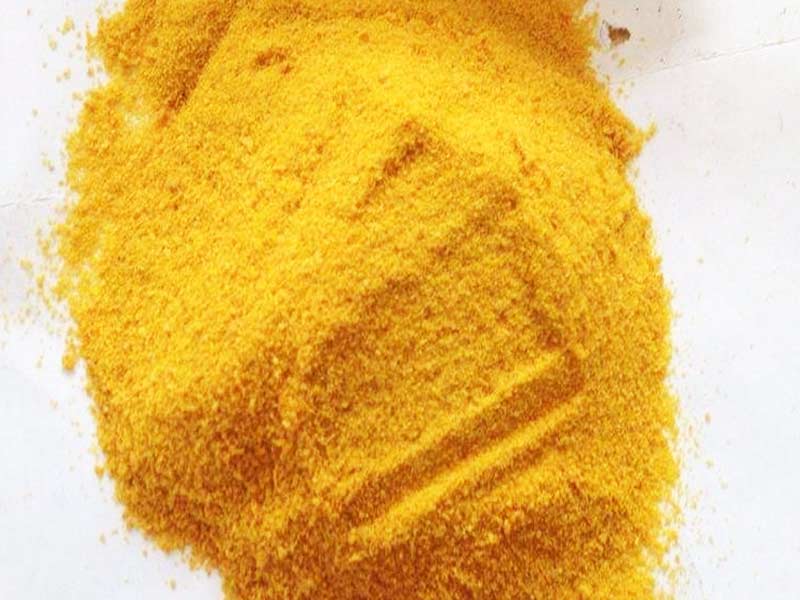
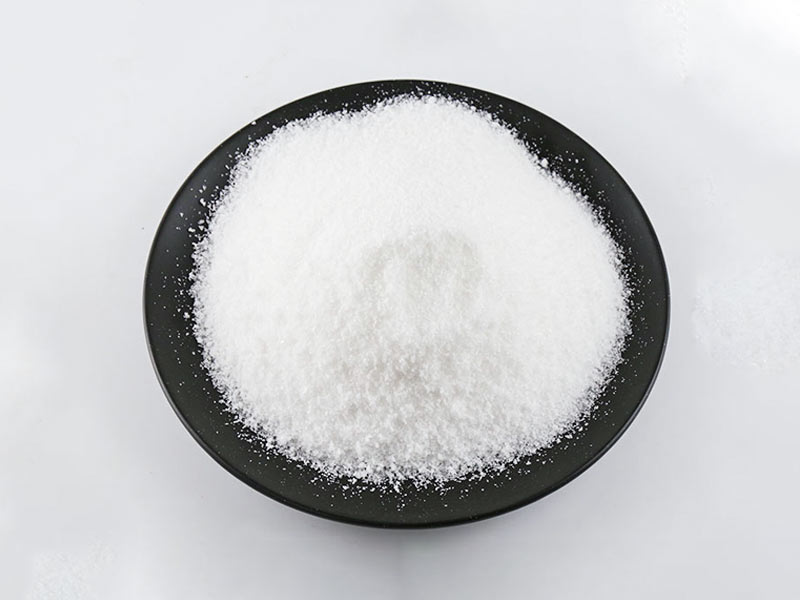
Visually, polyaluminium chloride appears as yellow granular particles. Its production requires aluminium hydroxide as raw material. Polyaluminium ferric chloride, however, presents as reddish-brown granules manufactured from calcium aluminate powder. Its application in water treatment is more specialised, being suitable only for industrial water purification processes. In summary, polyaluminium chloride demonstrates excellent wastewater purification efficacy in industries such as steel mills and paper mills. Treated water exhibits relatively clear quality, meeting standard discharge requirements. However, as a water treatment chemical, polyaluminium ferric chloride holds distinct advantages, requiring only minimal quantities to achieve effective results.
Given the efficacy of polyaluminium ferric chloride, how should its concentration be determined during application? Prior to use, it is advisable to dissolve the product at a concentration of 10%-30%. Subsequently, tap water is added for stirring and hydrolysis, allowing it to settle into a reddish-brown liquid product. Further dilution with water is then performed, though application varies across industries. For instance, water treatment plants may prepare a 2%-5% concentration for direct addition, while industrial wastewater treatment may employ a 5%-10% concentration. Dosage determination can be achieved through trial adjustments based on water quality variations. Under equivalent conditions, dosage requirements are broadly comparable to polyaluminium products. However, when employing liquid formulations, concentration must be recalculated separately, typically adhering to a 1:3 ratio. Crucially, tap water must be used during preparation of polyaluminium ferric chloride. The presence of sediment is entirely normal. Provided application methods are correctly executed, errors are unlikely. Achieving optimal efficacy necessitates adherence to proper usage protocols.