With the continuous advancement of socio-economic development and the rapid expansion of industry, the volume of industrial wastewater and effluent discharge has been steadily increasing. Indeed, the impact and hazards of sewage on the environment are substantial. It can lead to contamination by various pathogens, adversely affecting people's lives and physical health, while also compromising the quality of drinking water. Consequently, wastewater treatment has become an urgent priority.
For us, wastewater treatment is a crucial undertaking. How should wastewater be treated? Methods include ultrafiltration, reverse osmosis, activated carbon filtration, and the use of water purification chemicals. Let us explore the approaches to wastewater treatment and examine the available purification agents.
Generally, multiple chemical agents can be employed in wastewater treatment, including
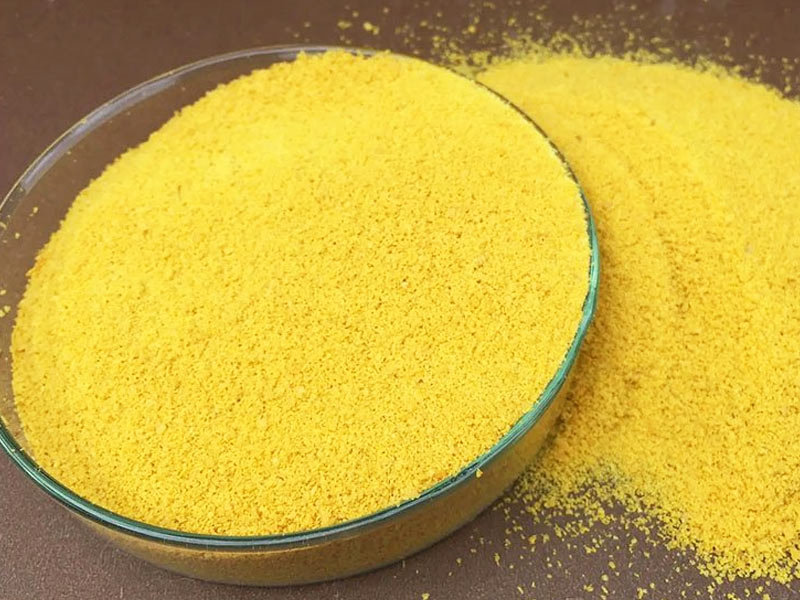
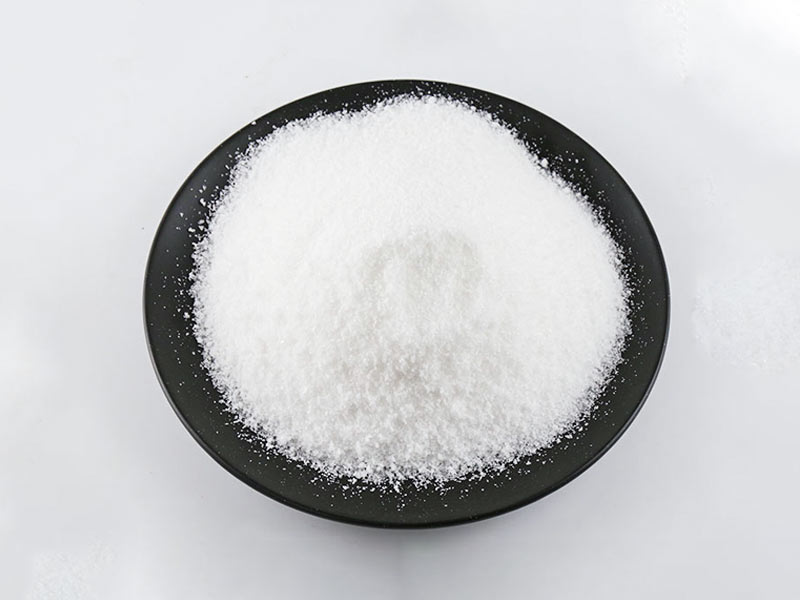
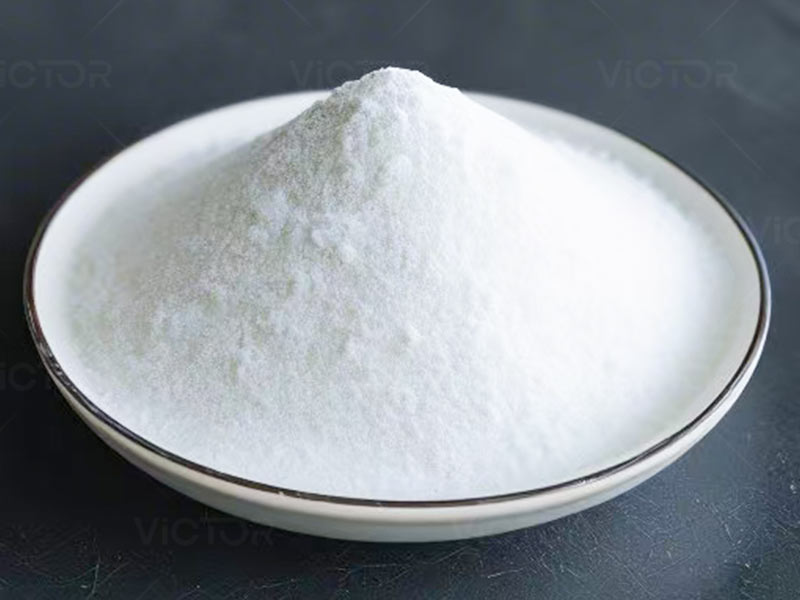
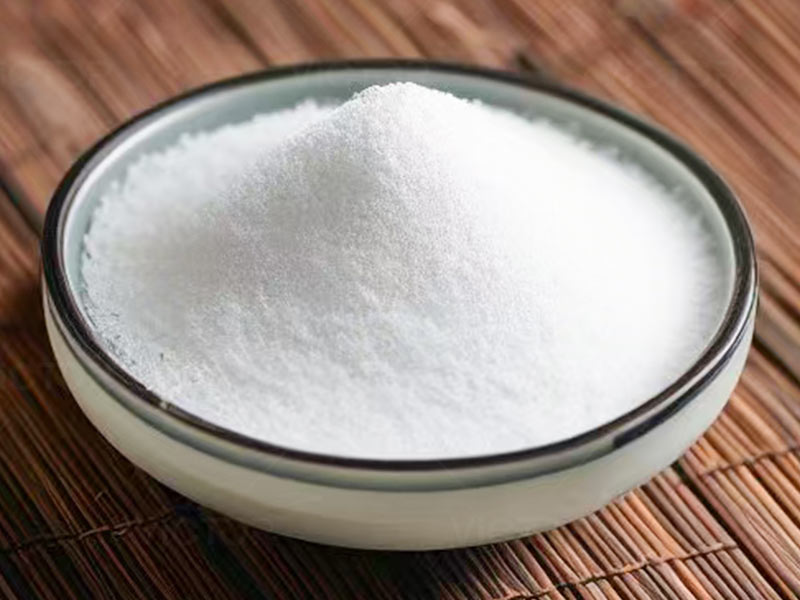
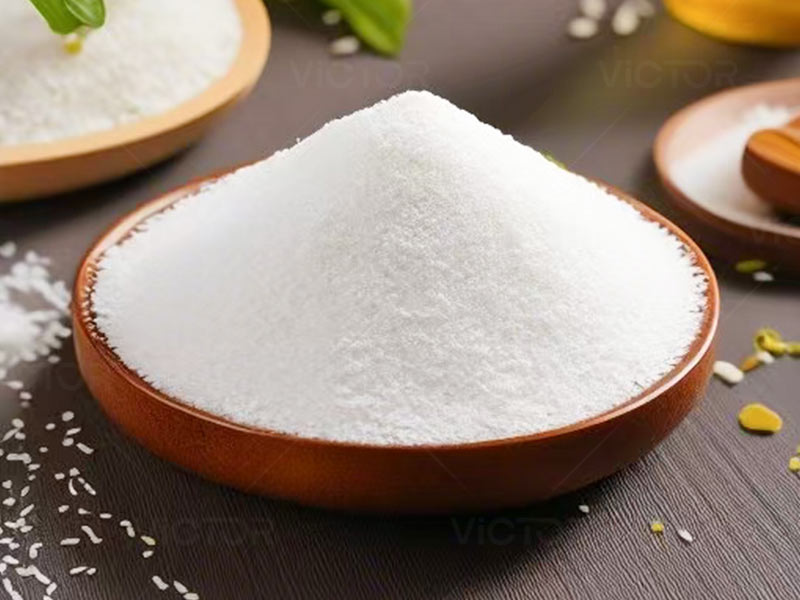
polyaluminium chloride, polyaluminium ferric chloride, and polyacrylamide. We shall briefly introduce these water purification chemicals. Polyaluminium chloride is a highly adaptable flocculant with strong coagulation capabilities, suitable for treating diverse water qualities. It exhibits rapid flocculation even in low-temperature environments, leaving minimal residual content post-treatment. Consequently, it is widely adopted. Its effectiveness in treating cold water facilitates the formation of compact flocs, reducing sedimentation time while minimising colouration. With low corrosivity, it provides effective pipeline protection, is convenient to use, and stores readily. Polymerised aluminium ferric chloride is a high-salinity inorganic polymer flocculant characterised by superior adsorption properties and rapid floc formation. It also exhibits excellent filtration and dewatering efficiency, demonstrating particularly notable performance in treating high-turbidity water. Polyacrylamide, conversely, is a highly efficient organic flocculant. It effectively forms large flocs. However, polyacrylamide products are comparatively expensive.
What are the respective application scopes of these water treatment chemicals? Their applicability is actually quite extensive, suitable for water treatment across multiple industries. Examples include municipal sewage treatment, construction material wastewater treatment, and various industrial effluent treatments. When treating municipal sewage, they can process harmful substances separated from the wastewater. They effectively remove COD and BOD from sewage, achieving a removal rate of 100%. They are also highly effective in treating construction material wastewater. The treated supernatant is almost entirely transparent. Therefore, water treatment chemicals are safe, non-toxic products that can be used with confidence.