As a commonly used water purification chemical in daily wastewater treatment processes,
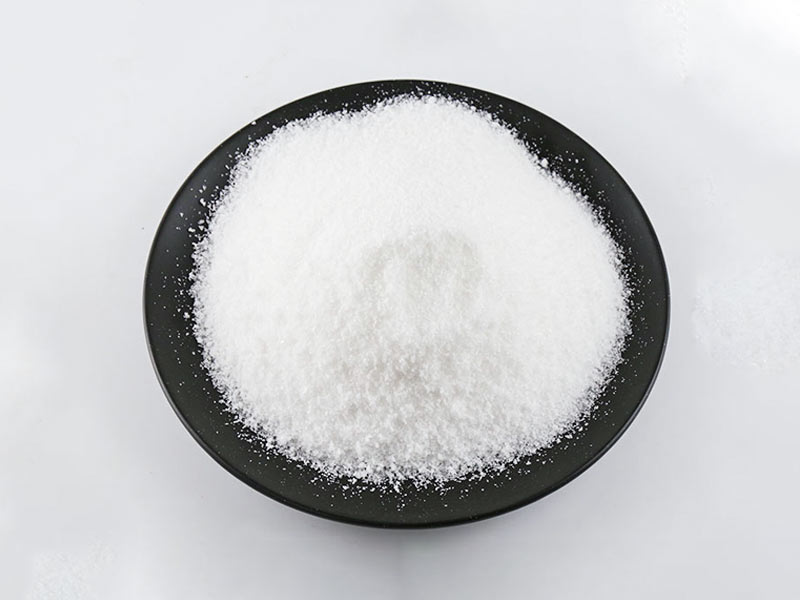
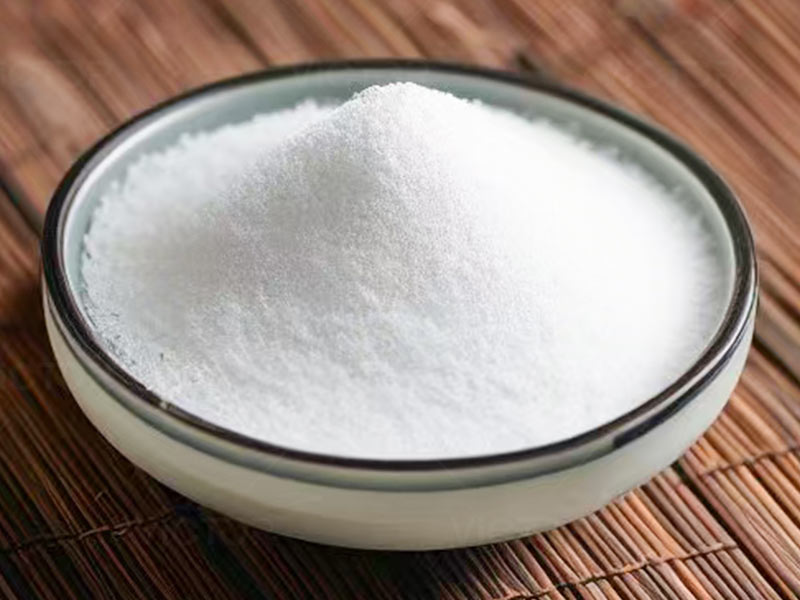
polyaluminium chloride is indispensable. Being a high-molecular-weight inorganic coagulant, it offers numerous advantages in treating both industrial and domestic sewage. However, while its benefits are manifold, excess can be detrimental. During routine application, dosage must adhere to specific parameters—neither excessive nor insufficient—to maintain efficacy. So what constitutes the optimal dosage?
PCA products exhibit rapid hydrolysis, swift precipitation, and large floc formation, making them relatively economical in use. Typically, a dosage of 0.01 grams per litre of water suffices. Nevertheless, this is not universally fixed. The required quantity of polyaluminium chloride is significantly influenced by the wastewater's quality. Different water qualities necessitate markedly different dosages. For instance, the dosage for dyeing wastewater treatment is considerably higher than that for municipal sewage.
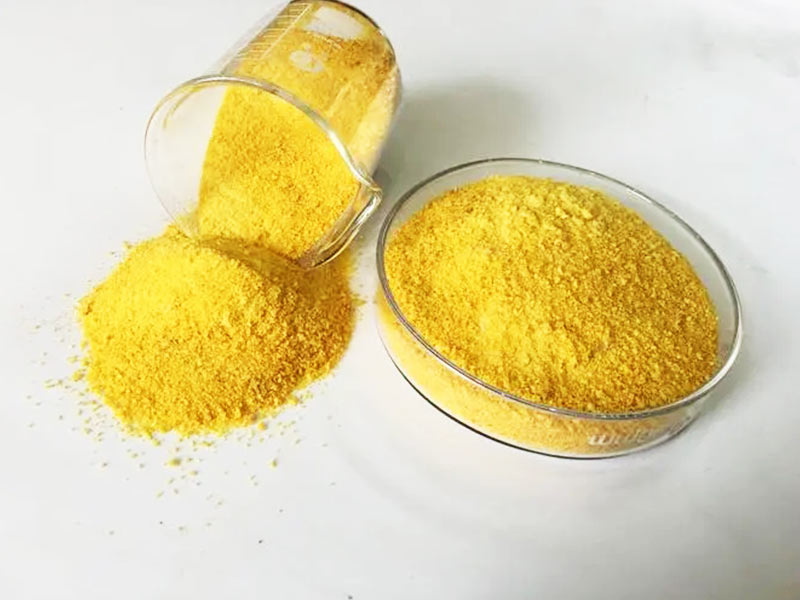
Beyond industry differences, varying turbidity levels also necessitate distinct dosages. For instance, in treating low-turbidity water, dissolution at a 1:3 ratio is sufficient. Simply dispense the solution into the turbid water. Should the effect prove inadequate, a modest additional dose may be administered. Naturally, regardless of wastewater type, preliminary testing is advisable to determine optimal dosage. This helps achieve an optimal dosage, ensuring effective results without unnecessary expenditure. Liquid formulations may be diluted prior to application, though the diluted solution should ideally be utilised within two days. While liquid products are generally less expensive, their transportation costs are comparatively high. Overall, they offer only marginal savings over solid formulations. Consequently, solid products are predominantly preferred for practical application.
The dosage of polyaluminium chloride varies with different water qualities, consequently yielding differing treatment outcomes. Factors such as dosage, pH level, and water composition all influence efficacy. Typically, the product only reacts effectively within a pH range of 6 to 9.
To react effectively. Should the water be acidic or alkaline, neutralisation must precede application. Furthermore, while determining the dosage is crucial for water treatment, more is not necessarily better. An appropriate dosage is paramount. Both excessive and insufficient quantities will result in poor wastewater treatment outcomes.