With the advancement of industrialisation and urbanisation, the volume of municipal wastewater generated has been increasing year on year. This poses significant challenges for urban sewage treatment plants. It is important to note that both municipal sewage and industrial effluent are typically processed through sewage treatment plants, and may only be discharged once they meet the required emission standards. A major issue with such wastewater is its high turbidity and residual levels of substances such as COD, SS, and BOD. Discharging untreated wastewater would cause severe environmental pollution. Therefore, effective treatment of such wastewater is crucial.
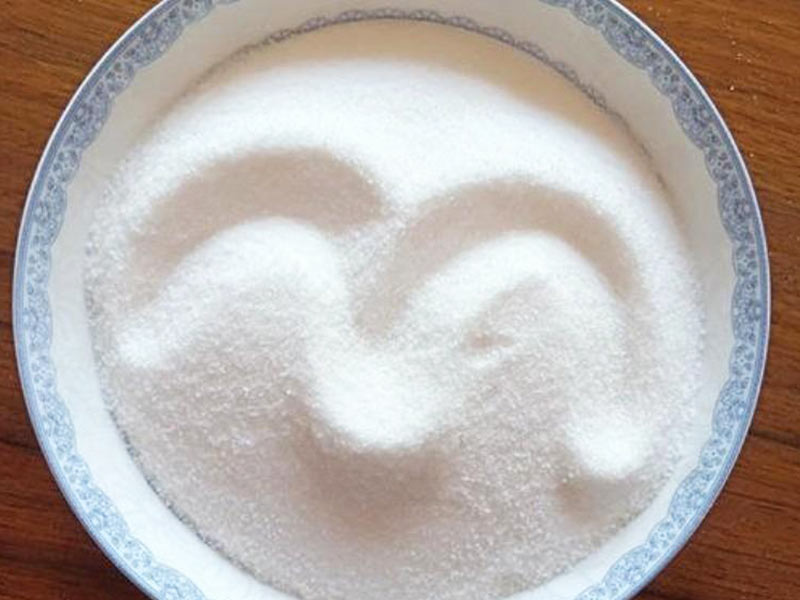
Generally, conventional municipal sewage can be addressed through microbial, physical, and organic chemical methods. Under normal circumstances, adding polyaluminium chloride (PAC) products can achieve effective treatment. However, to enhance water treatment efficacy, cationic polyacrylamide should also be incorporated into the process. Following addition, sludge separation can be achieved via inclined plate sedimentation tanks and gravity settling.
What should be noted during application? Water pH. It is important to recognise that pH significantly impacts chemical efficacy. Thus, when alkalinity is insufficient, agents like lime should be added to supplement it. Should pH be excessively high, acid should be added to adjust it to neutral. Generally, high-molecular-weight flocculants are less affected by pH. Another critical factor is water temperature. Water temperature directly influences the hydrolysis rate of flocculants and the formation speed of flocs. Hydrolysis is an endothermic reaction; lower temperatures slow this process. Reduced molecular motion at lower temperatures impedes chemical bonding. Consequently, even with increased chemical dosage, floc formation remains sluggish at low temperatures, resulting in relatively loose structures. However,
polyacrylamide exhibits different behaviour. Low temperatures exert minimal influence on it. Nevertheless, caution is warranted regarding excessive water temperatures during application, as high temperatures may generate insoluble by-products that compromise flocculation efficacy. When treating municipal sewage or industrial effluents, strict adherence to chemical dosing sequence is imperative. Typically, polyaluminium chloride is added first to initiate the reaction, followed by polyacrylamide. The sequence between these two must be strictly adhered to. Failure to do so may result in diminished efficacy or complete ineffectiveness of the treatment.