Among all water purification agents,
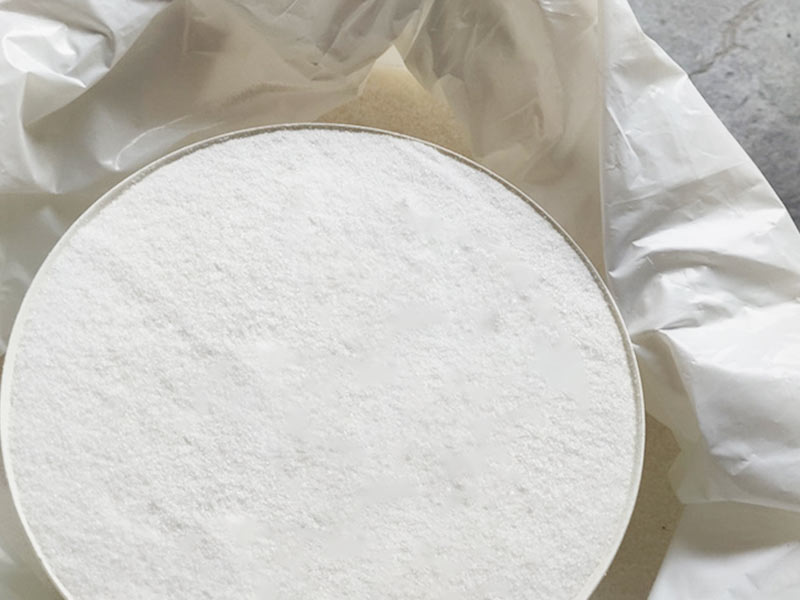
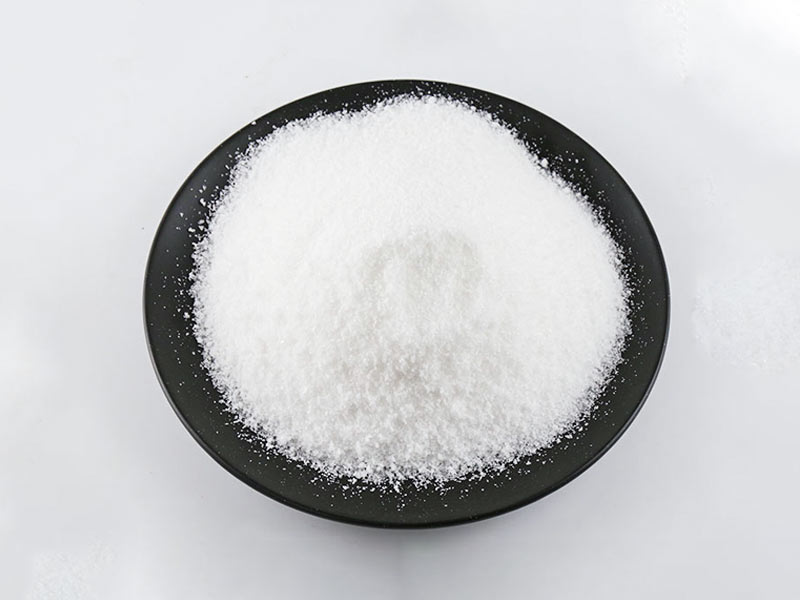
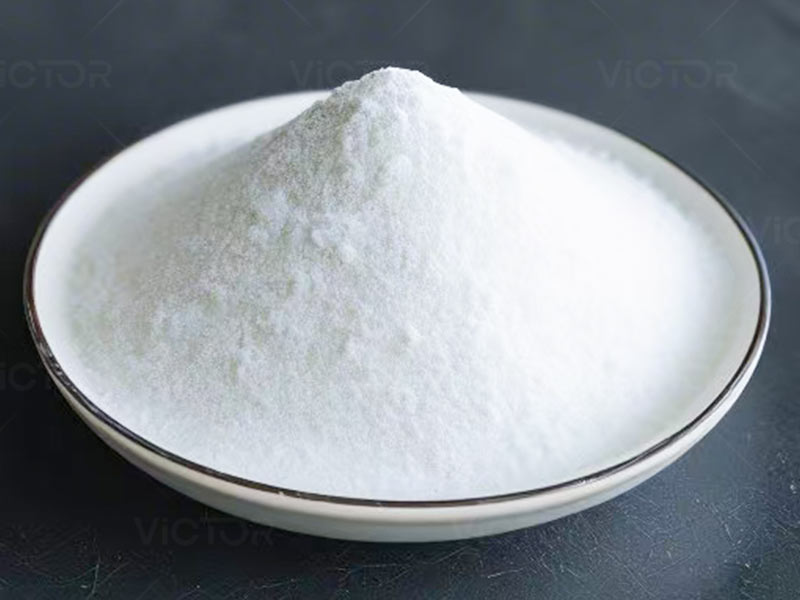
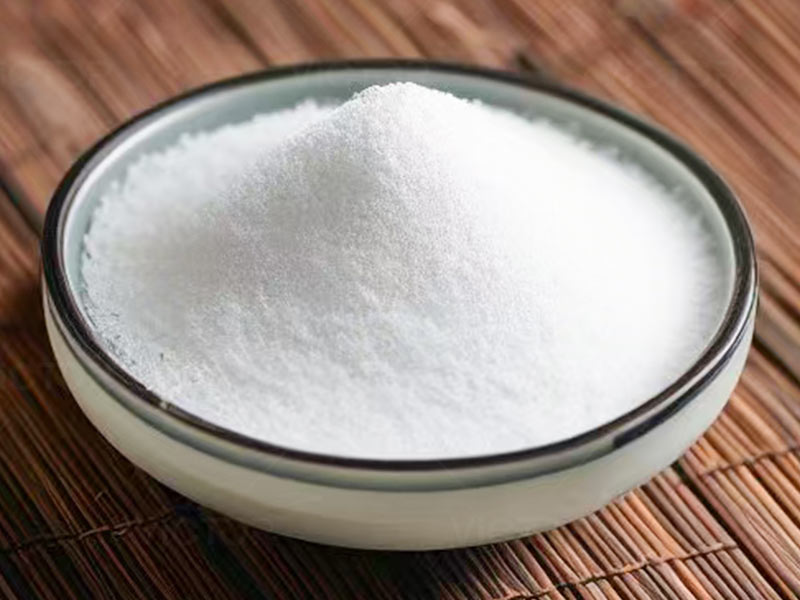
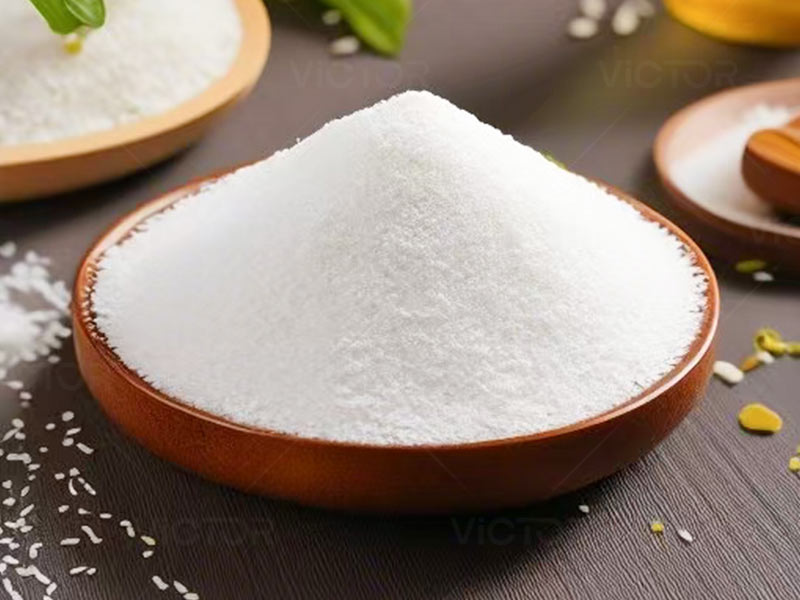
polyacrylamide stands as a particularly high-end product. Classified by molecular weight, polyacrylamide is categorised into cationic, anionic, amphoteric, and non-ionic types. Today, we shall focus specifically on cationic polyacrylamide!
Cationic polyacrylamide is a linear polymeric compound. Its active functional groups enable affinity and adsorption with diverse substances, facilitating hydrogen bonding formation. Possessing functions such as turbidity removal, decolourisation, and adsorption, it finds extensive application across dyeing, papermaking, food processing, construction, metallurgy, and other industries. It is particularly well-suited for municipal wastewater treatment and sludge management.
What are the characteristics of cationic polyacrylamide? It exhibits excellent water solubility and minimal temperature sensitivity. It dissolves completely even in cold water and requires minimal dosage—just 0.01–10 g/m³ suffices to achieve effective flocculation. When combined with inorganic flocculants such as polyferric sulphate or polyaluminium chloride, it demonstrates enhanced performance.
What should be considered when using cationic polyacrylamide? Pay attention to floc size during operation. Excessively small flocs may impede drainage efficiency, while overly large flocs can compromise effectiveness. Selecting an appropriate molecular weight effectively regulates floc size. Furthermore, optimal performance requires consideration of sludge characteristics, origin, and composition. Sludge is categorised as organic or inorganic. Cationic products are suited for treating organic sludge, while anionic products are more appropriate for inorganic sludge. For different sludge properties, it is advisable to conduct trials with products of varying ionic degrees to select the most suitable one. This approach not only achieves better results but also reduces chemical consumption, thereby saving costs.
Furthermore, attention must be paid to the dissolution of the product. Only fully dissolved products can exert their flocculation effect. Moreover, during wastewater treatment, relying solely on a single water treatment chemical often proves insufficient to achieve the desired results. Combining two products is essential for optimal performance. For instance, treating water with an inorganic flocculant alongside polyacrylamide yields superior outcomes. However, careful attention must be paid to the sequence of chemical addition during application. Incorrect sequencing will render the treatment ineffective.