Anionic polyacrylamide, as a variant of polyacrylamide, possesses unique efficacy in wastewater treatment. Typically, dissolution precedes treatment. During dissolution, the product should be evenly dispersed into water. The water must not be stagnant; it is preferable to agitate it while adding the product to the centre. Subsequently, maintain a steady stirring rate with a speed controlled between 100 and 300 rpm. Should flocculants form, reduce the stirring speed to facilitate their growth and accelerate sedimentation. Note that higher water temperatures aid dissolution, though temperatures should ideally not exceed 60°C. Prepare the solution at a concentration of 0.1% for use, ensuring the water is adjusted to an appropriate pH range to maximise the agent's efficacy.
When employing anionic polyacrylamide products, note that the flocculant must not be directly added to wastewater. Prior to use, it must be dissolved to create an aqueous solution for wastewater treatment. For dissolution, use tap water rather than wastewater; room temperature water is sufficient. No special additives are required. Generally, higher water temperatures can accelerate dissolution. However, temperatures exceeding 40°C will hasten polymer degradation, adversely affecting final efficacy. Solution concentrations should range between 0.1% and 0.3%, equivalent to 1g to 3g of product per litre of water.
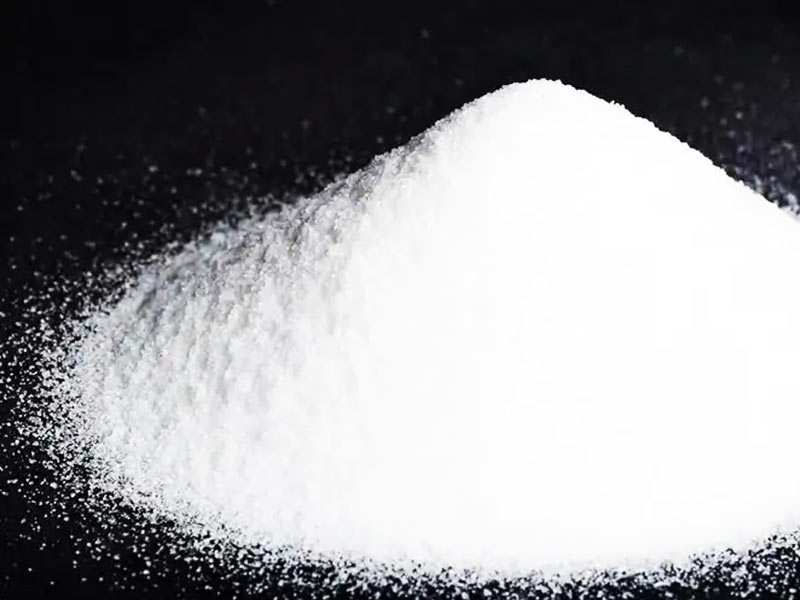
What advantages does anionic polyacrylamide offer in industrial wastewater treatment? It demonstrates superior efficacy in treating industrial effluents containing suspended particles, highly concentrated positively charged particles, or wastewater with alkaline or neutral pH levels. This stems from its excellent solubility, high viscosity, and strong resilience. It prevents material from hardening upon prolonged mixing with water, effectively conserving product and facilitating convenient operation.
Given its high molecular weight and strong viscosity, the standard preparation concentration for anionic polyacrylamide is 0.1%. However, this may be adjusted according to wastewater turbidity. Specifically, it is advisable to increase the dosage without altering the concentration. Otherwise, it may affect pipeline flow. Dissolution should preferably be carried out in plastic, ceramic, or stainless steel mixing tanks. Using iron vessels may cause degradation, affecting the final usage results and leading to diminished efficacy.