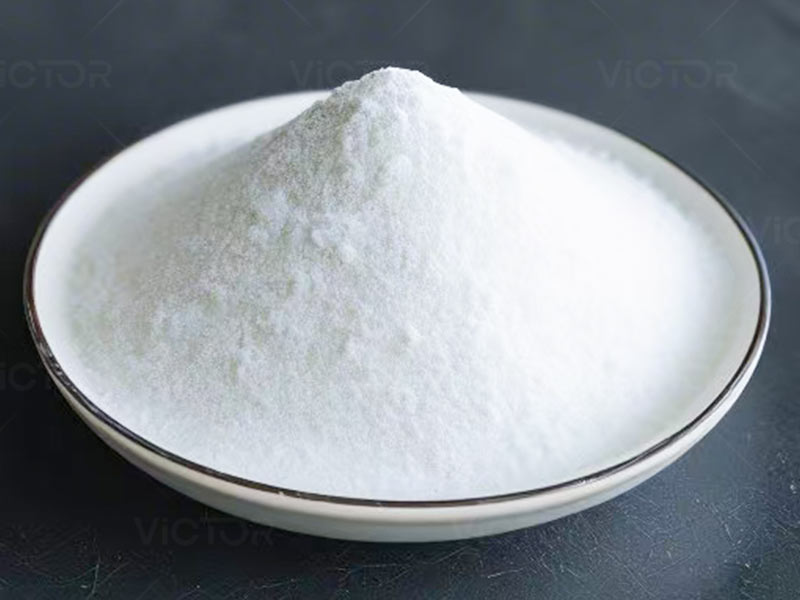
Polyaluminium Chloride is a high-molecular-weight inorganic flocculant manufactured to meet industrial market demand. The hydroxide ions within poly aluminium chloride exert bridging effects during water treatment processes, coupled with multi-stage polymerisation effects. This renders poly aluminium chloride a novel turbidity treatment agent characterised by high molecular weight and elevated charge density.
VICTOR's polyaluminium chloride products are categorised into solid and liquid forms. By appearance and colour, they are available in white, yellow, and brown variants. Each colour corresponds to distinct industrial applications and everyday uses. Today, we shall focus on the superior quality white polyaluminium chloride product.
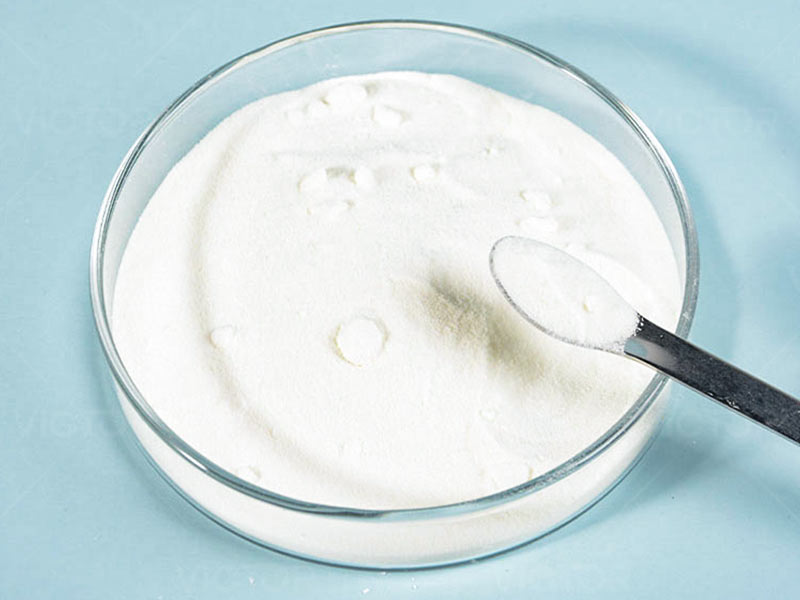
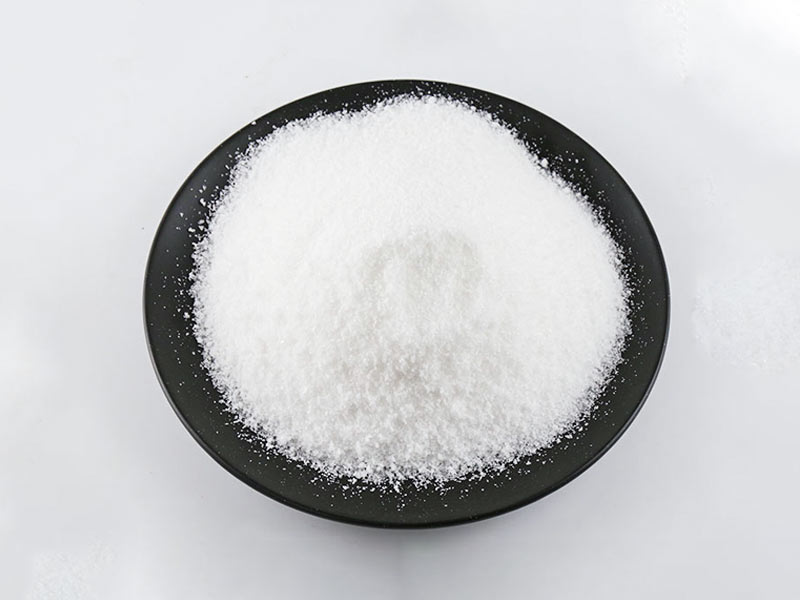
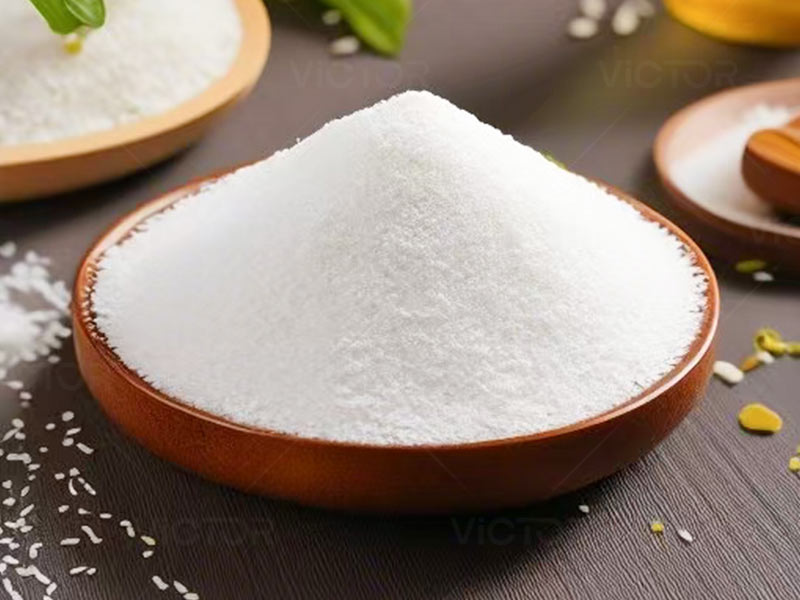
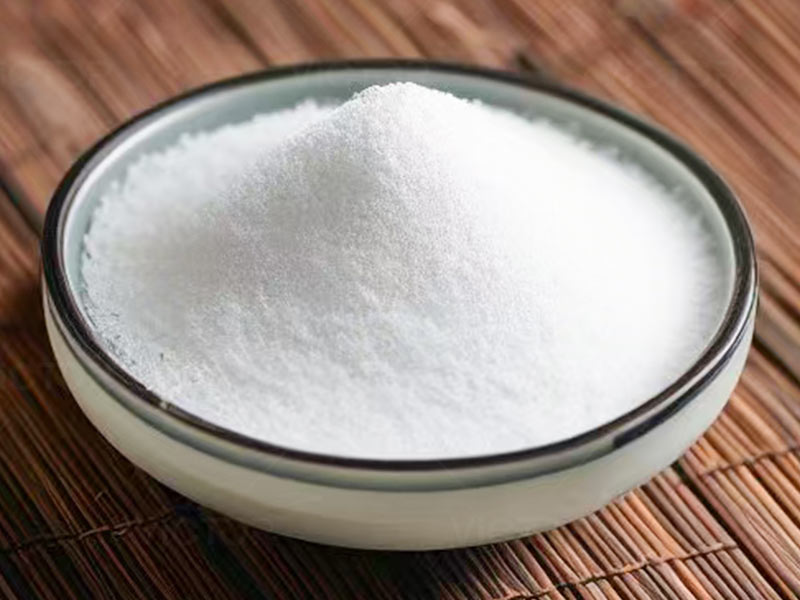
White polyaluminium chloride is produced through a chemical reaction between high-purity aluminium hydroxide powder and high-purity hydrochloric acid, followed by spray-drying processing. This yields a fine, white or off-white powder resembling milk powder. Due to the high moisture content in ambient air and its excellent water solubility, white polyaluminium chloride must be stored in airtight containers when exposed to the atmosphere, as it readily dissolves otherwise. White polyaluminium chloride, also termed spray-dried polyaluminium chloride, exhibits several distinctive characteristics compared to conventional polyaluminium chloride.
The aluminium oxide content in white polyaluminium chloride is the highest among all aluminium chloride products, exceeding 30%. Furthermore, its basicity is relatively low, only about 50% of that in similar products. In contrast, the basicity of other common polyaluminium chlorides is around 90%, which is very high. As noted above, its water solubility is exceptional. It readily disperses in air, resulting in minimal insoluble matter—just 0.3% by weight. By contrast, yellow and brown polyaluminium chlorides may contain up to 1% insoluble matter, demonstrating significantly poorer performance. Visually, white polyaluminium chloride exhibits a remarkably pure colour. Upon dissolution in water, the resulting solution appears exceptionally clear and transparent, devoid of any colouration. In contrast, when ordinary polyaluminium chloride dissolves in turbid water, the solution develops a yellowish or brownish tint, with clarity noticeably inferior to that achieved by white polyaluminium chloride.