The mere mention of food processing plants brings to mind all sorts of delicious foods. There is a wide variety of products, such as chicken, duck, fish and meat, as well as fruit, vegetables, snacks and drinks; consequently, there is a significant variation in the wastewater discharged. A large volume of wastewater is generated during food processing. It must comply with national wastewater discharge standards before it can be discharged, to prevent damage to the environment. Pollutants in food processing plants: 1. Floating impurities in the wastewater: fruit peels, vegetable leaves, lard, eggshells, etc. 2. The wastewater contains: salts, acids, sugars, etc. 3. Suspended proteins, starches, colloids, fats and oils, etc. Common types of food processing plants include: slaughterhouses, livestock farms, beverage factories, starch factories, breweries, oil mills, and soy sauce factories.
Chemicals used: Industrial-grade polyaluminium chloride and
polyacrylamide (both are highly effective for treating wastewater from food processing plants)
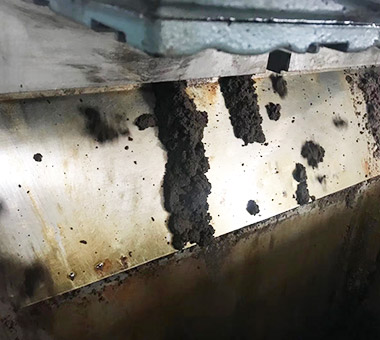
Treatment Process: Firstly, we must identify the source of the food industry wastewater, its constituent components, and any other harmful substances. This understanding allows us to determine the approximate type of water treatment chemical required. We then proceed with on-site treatment, assessing the size of the flocs to determine the optimal dosage. If the flocs are too small, this will affect both the water purification efficiency and the drainage rate; conversely, if the dosage is too high, sludge dewatering performance will be poor. Following filtration, the sludge cake typically has a high moisture content. The most appropriate method is to conduct beaker tests using wastewater samples to determine the specific type of water treatment chemical and the dosage. This method is relatively rigorous; only by selecting the most suitable type of water treatment chemical can we ensure both effective water purification and optimal sludge dewatering. Polyacrylamide and polyaluminium chloride are commonly used for wastewater treatment in food processing plants.