


Newstime:2026-02-25 Source:Polyacrylamide
If plastic waste is simply discarded, it causes a certain degree of environmental pollution. Consequently, it is recycled. This process also provides a source of financial compensation for businesses. First, the waste is shredded and washed. Finally, it is processed through a pelletiser to form pellets for reuse. A significant amount of wastewater is generated during the pelletisation process. If this wastewater were to be discharged directly into rivers, lakes or reservoirs, it would cause significant damage to water quality. It could even lead to the death of fish and disrupt the natural balance of the water. If people were to consume such water, it could cause stomach ailments or even more serious organ damage, as this wastewater contains many harmful impurities. The use of flocculants (polyacrylamide, polyaluminium chloride) is a highly effective method for treating this wastewater. Upon addition of polyacrylamide to the water containing suspended solids, flocs form rapidly. These flocs are large and dense, and are capable of binding suspended oil residues, effectively removing floating matter of lower density.
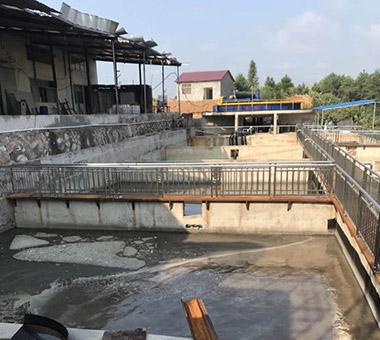
Chemicals used: Polyaluminium chloride, polyacrylamide
Plastic factory wastewater treatment process: First, wastewater from the pelletising plant is collected and managed centrally, flowing automatically into pipelines. Strainers are installed within the pipelines to remove larger suspended solids from the water. The water is then directed into an equalisation tank. The water quality in the equalisation tank and the water to be treated are monitored. Polyacrylamide is first prepared to a concentration of 3%–5%. This PAM solution is then dosed into the reaction tank, where it is continuously stirred to ensure complete dissolution. The reaction tank is monitored continuously, and the dosage of polyacrylamide is adjusted as necessary. Prior to using PAM, it is advisable to take a wastewater sample and conduct a beaker test to determine the optimal dosage and type of chemical.
The link to this article is: https://www.polyacrylamidepam.com/solution/wastewater-treatment-at-a-pelletising-plant.html
Copyright: Please credit the source when reproducing this content.