


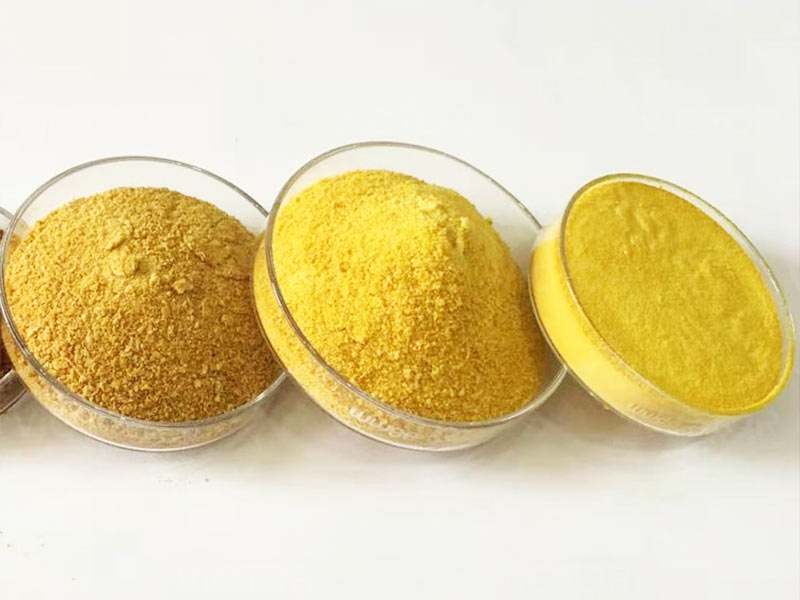
Polyaluminium chloride has now become the choice for numerous enterprises undertaking water purification. However, polymerised aluminium chloride exhibits a variety of colours. What distinguishes polymerised aluminium chloride products of different colour
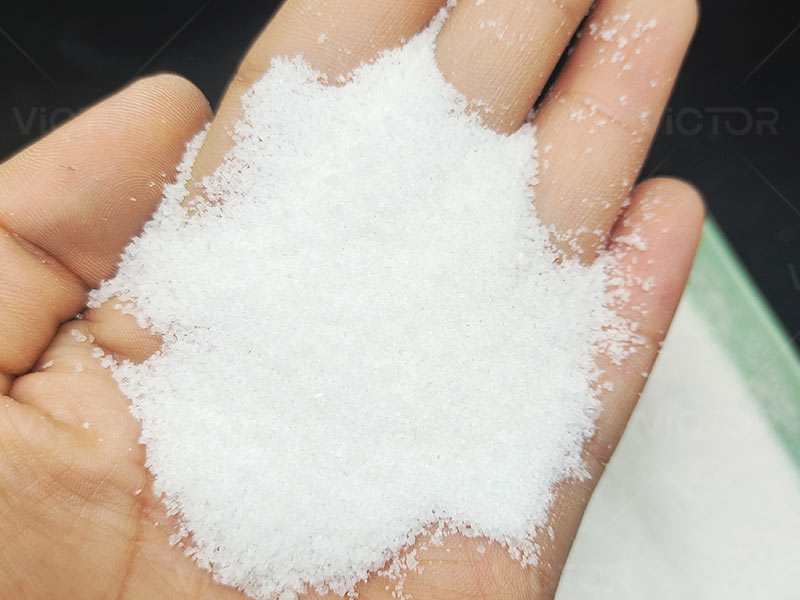
VICTOR polyacrylamide achieves purification by forming bridges between suspended particles in wastewater, causing them to coagulate. It links and encapsulates harmful substances, facilitating their precipitation.
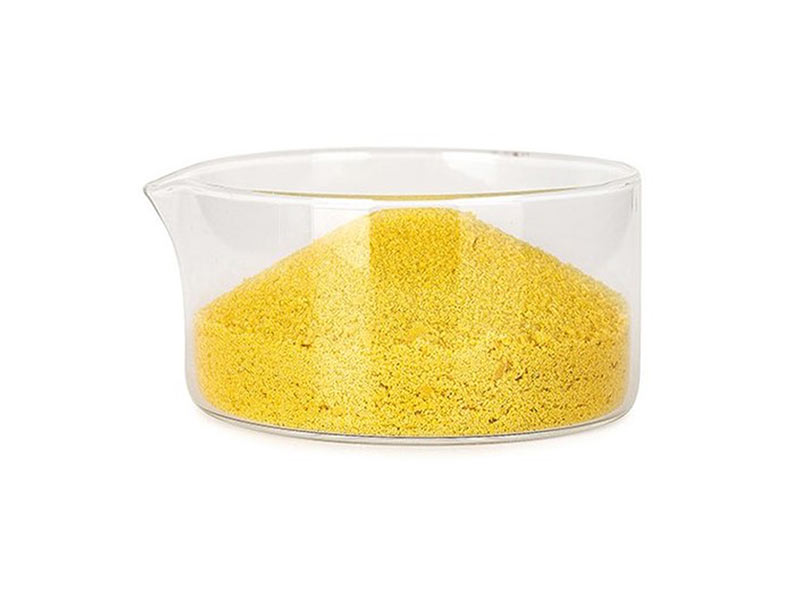
During the water purification process, polyaluminium chloride (PAC) proves to be a highly effective water treatment chemical. It offers low cost and abundant availability, with its primary advantage being excellent water treatment efficacy. Presently, whe
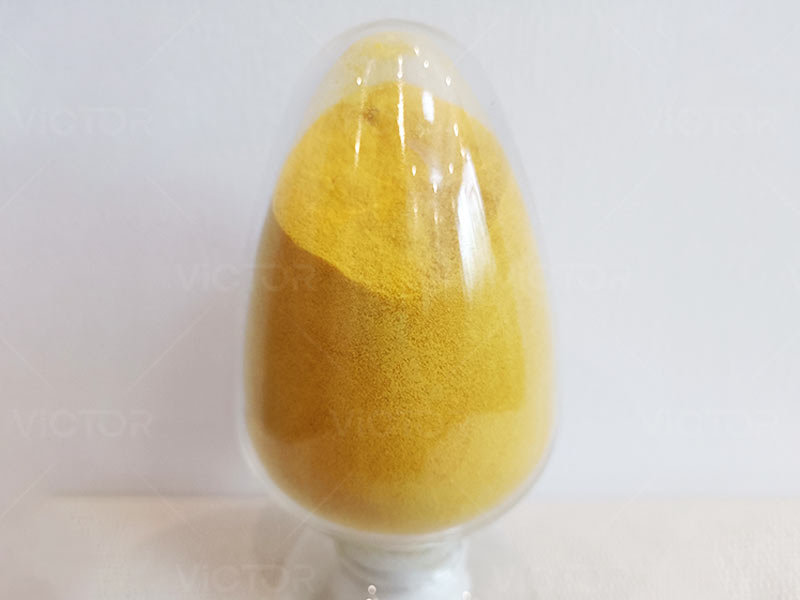
Today's society places ever-increasing demands on quality of life. Consequently, more people are beginning to prioritise wastewater purification. In this process, polyaluminium chloride (PAC) products play a significant role. So how exactly does PAC impr
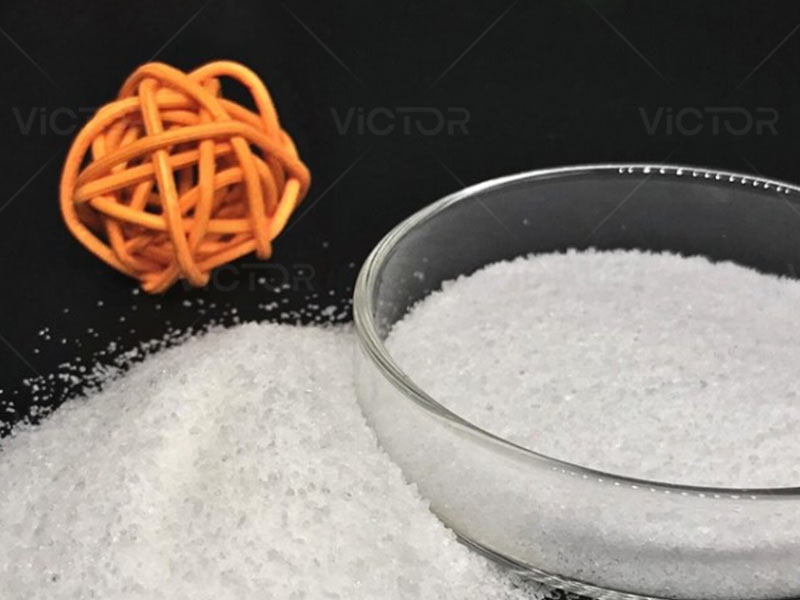
Selecting the appropriate polyacrylamide product is crucial during water treatment processes. Choosing the correct grade not only ensures effective purification of wastewater but also reduces consumption, significantly cutting costs. So what should be con
Whether in work or daily life, many people constantly strive for a better lifestyle and more efficient working methods. The process of wastewater treatment follows the same principle. As people's demands for their living environment continue to rise, so
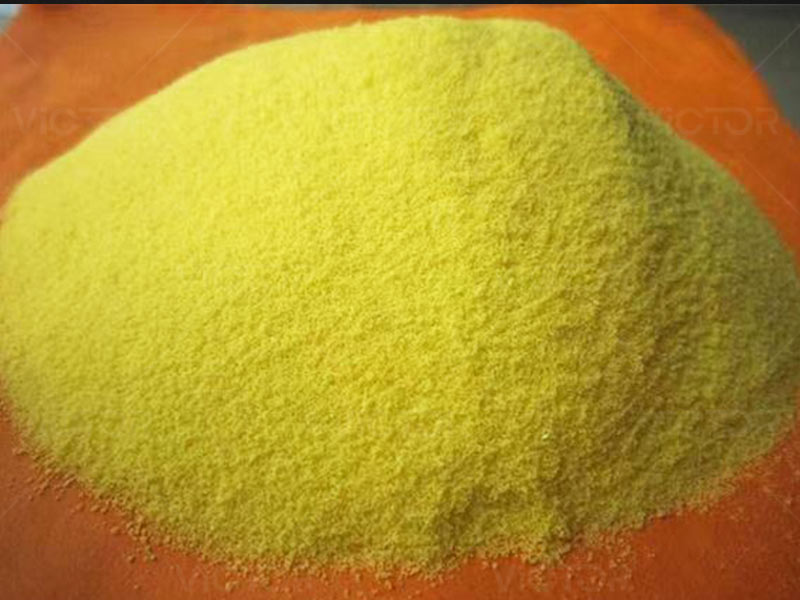
The selection of appropriate chemicals is crucial for achieving effective wastewater treatment outcomes. The efficacy of treatment chemicals depends on factors such as wastewater concentration, discharge standards, and the treatment process employed. Thes
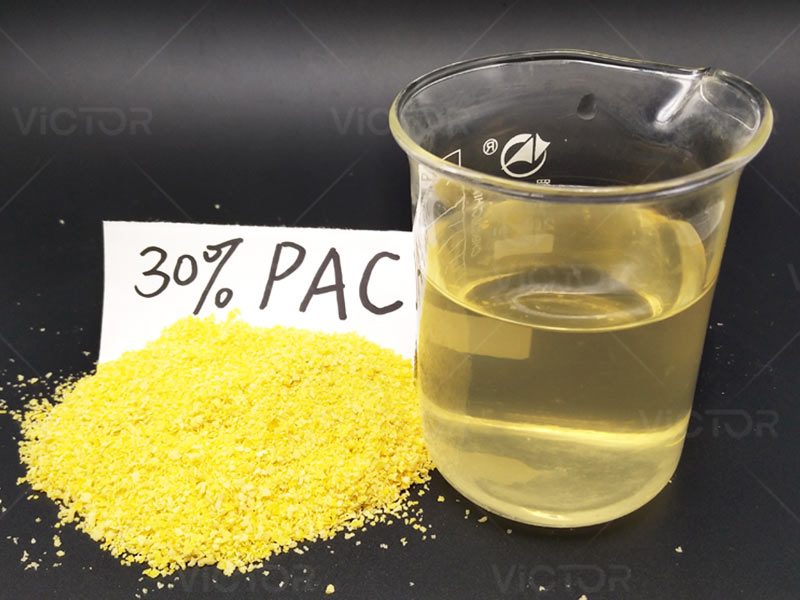
With the growing awareness of environmental protection, polyaluminium chloride products have found widespread application across numerous industries. Today, it has undeniably become a relatively significant chemical product. As is widely known, all chemic
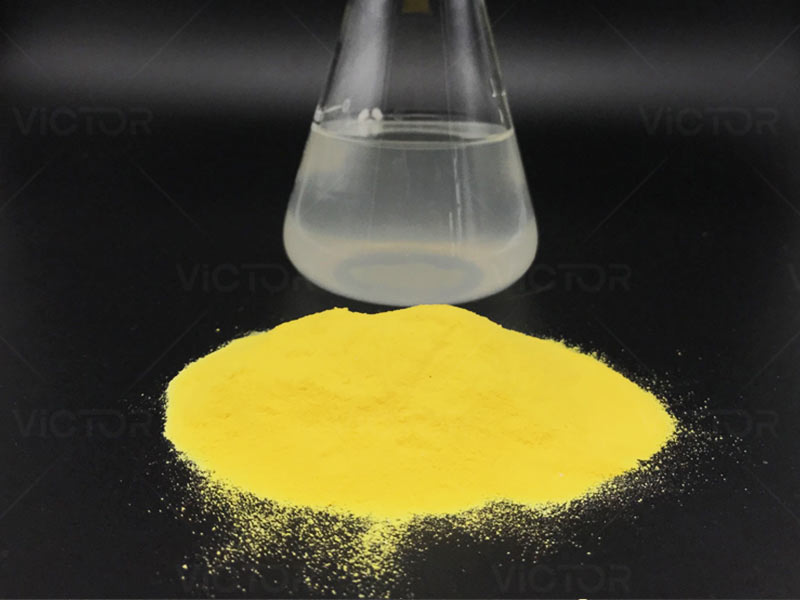
Polymerised aluminium chloride products are categorised into several grades based on their content. Once deployed, determining their exact concentration proves rather challenging. Today we shall discuss how to ascertain the content of polymerised aluminiu
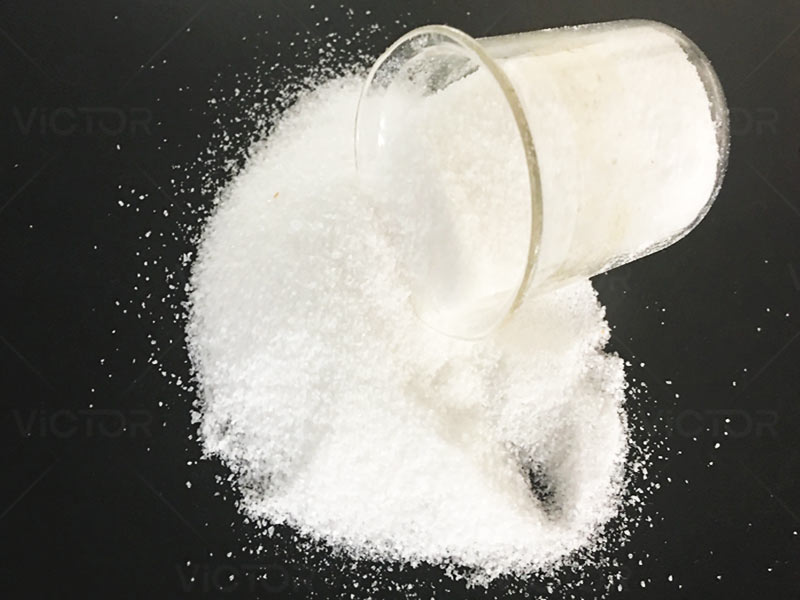
The application scope of polyacrylamide in wastewater treatment is becoming increasingly extensive, with its usage scenarios multiplying. However, many harbour doubts: can polyacrylamide products be directly added to wastewater treatment systems? Here is
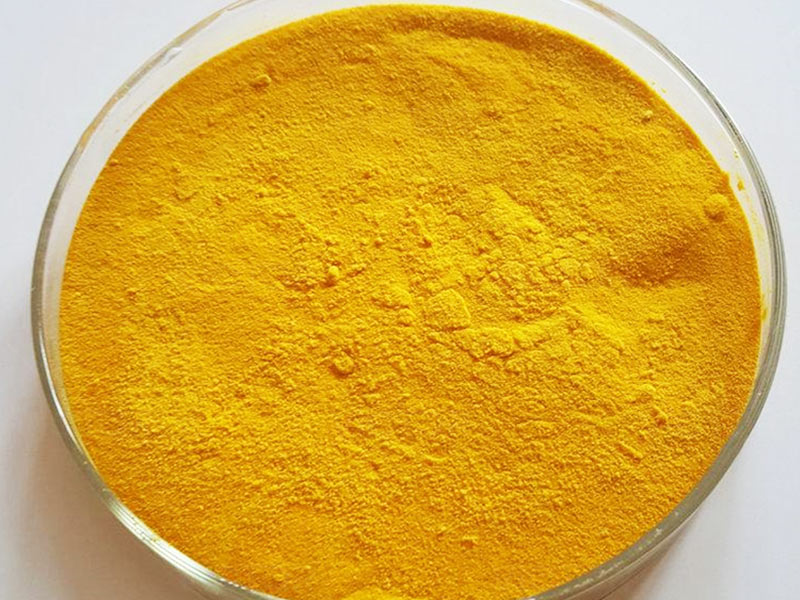
In everyday life, when it comes to wastewater treatment, polyacrylamide and polyaluminium chloride are commonly encountered. As two frequently used agents in water purification, what exactly distinguishes them? Let's briefly explore!
As living standards rise, so too do expectations for quality. These demands extend beyond mere sustenance and basic necessities to encompass environmental considerations. With growing emphasis on environmental standards, cultivating a favourable home envi
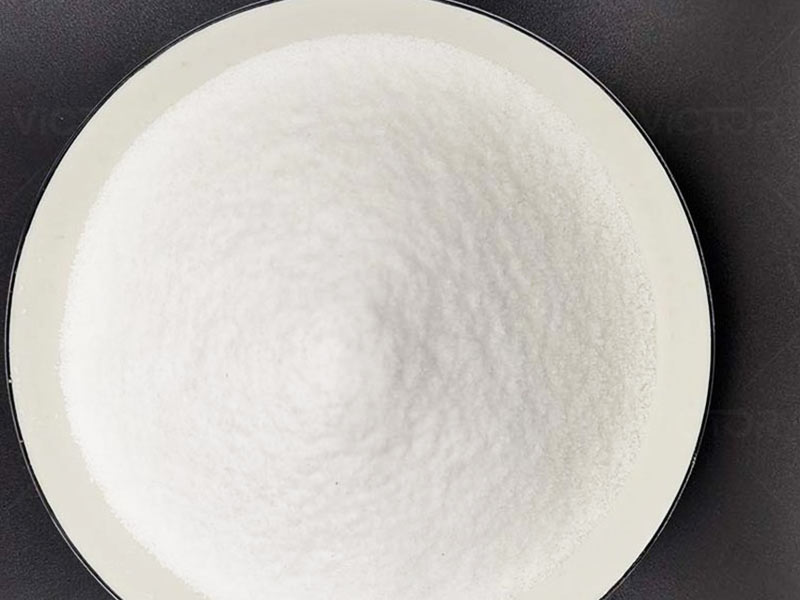
The scope of application for polyacrylamide products continues to broaden. Consequently, an increasing variety of polyacrylamide grades are now available, each tailored for distinct scenarios. Based on ionic characteristics, polyacrylamide can be categori
It is widely recognised that polyacrylamide delivers excellent results in wastewater treatment. However, many are unaware that to achieve superior water treatment outcomes, polyacrylamide is best employed in conjunction with other chemical agents. Whilst
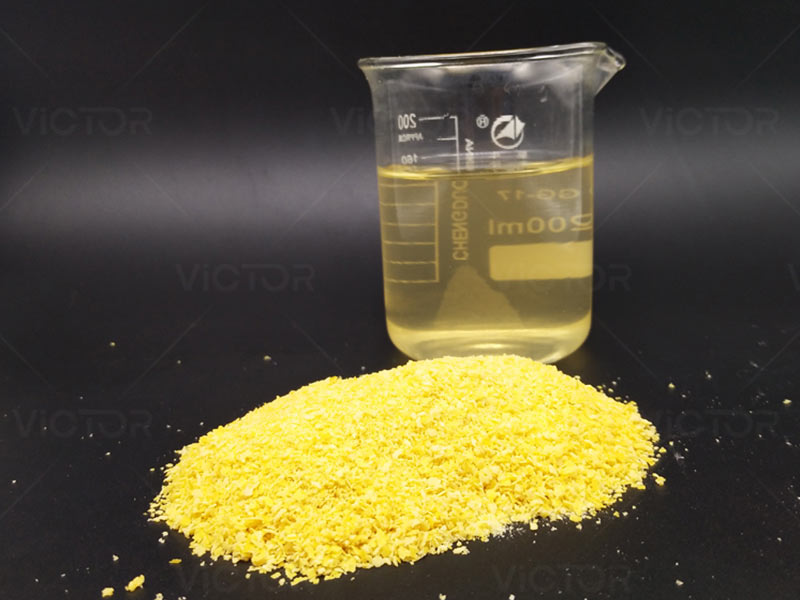
Nowadays, the use of polyaluminium chloride products in the water purification industry is becoming increasingly frequent. This product is highly favoured for its excellent purification effect and low cost. However, failure to grasp the key points of usin